Percy Fawcett and The Lost City of ‘Z’
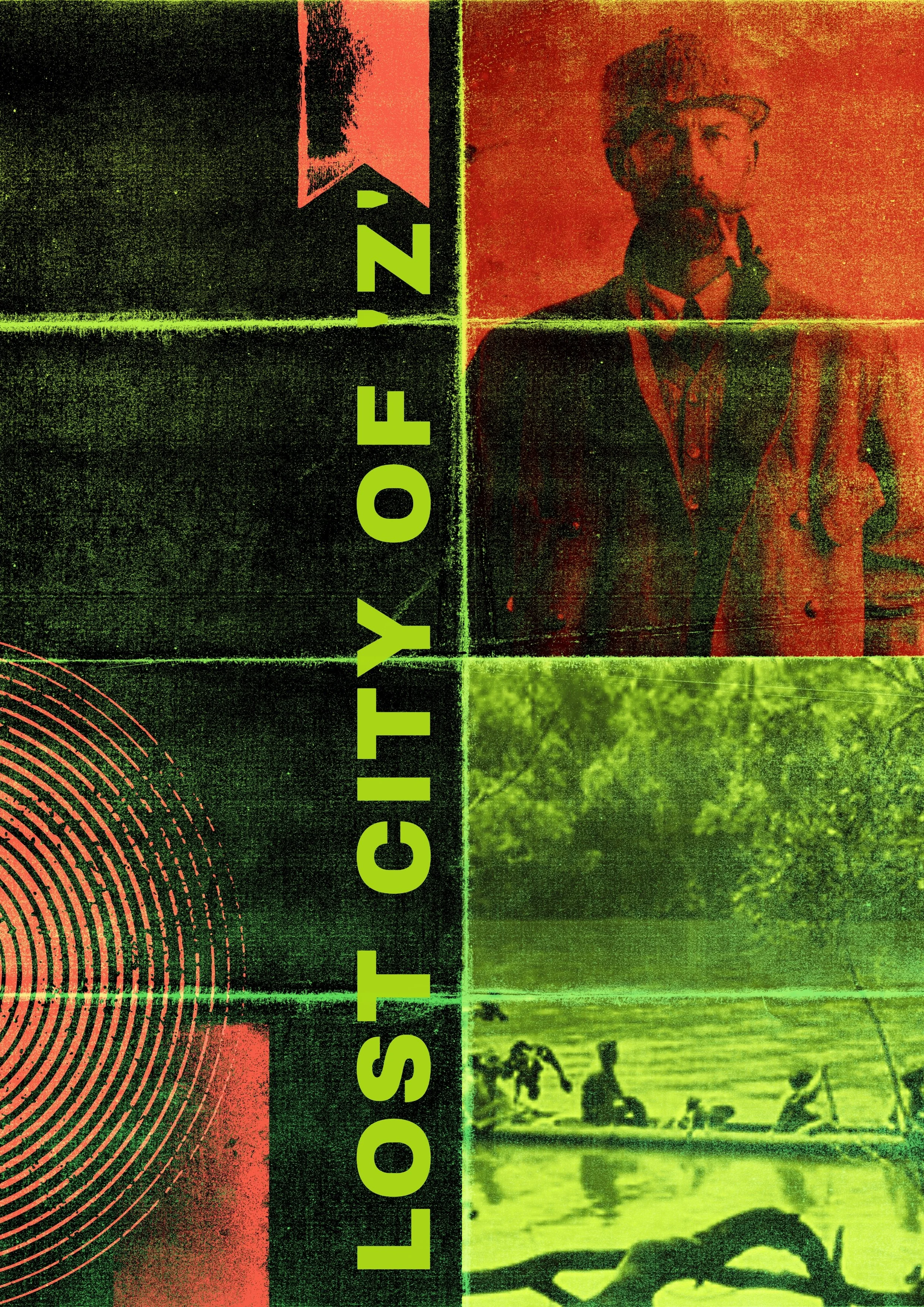
In May 1925, Percy Fawcett wrote his last known message from the Brazilian interior.
He was at Dead Horse Camp in Mato Grosso with his eldest son, Jack Fawcett, and Jack’s close friend Raleigh Rimell. Five years earlier, during another failed push into the same region, one of Fawcett’s pack animals had died there. Now he came back with a smaller party, a lighter load, and the same belief that had pulled him through South America for nearly twenty years.
Somewhere beyond the mapped routes, Fawcett believed, the Amazon held evidence of an ancient city.
He called it Z.
At Dead Horse Camp, Fawcett wrote to his wife, Nina, with the confidence that had become part of his reputation: “You need have no fear of any failure.”
After that message, Fawcett, Jack, and Rimell moved deeper into the forest.
They were never seen again.
For decades afterward, searchers followed rumors through Brazil. Some returned with stories.
Some returned with bones that belonged to someone else.
Some never returned at all.
Percy Fawcett Before Z
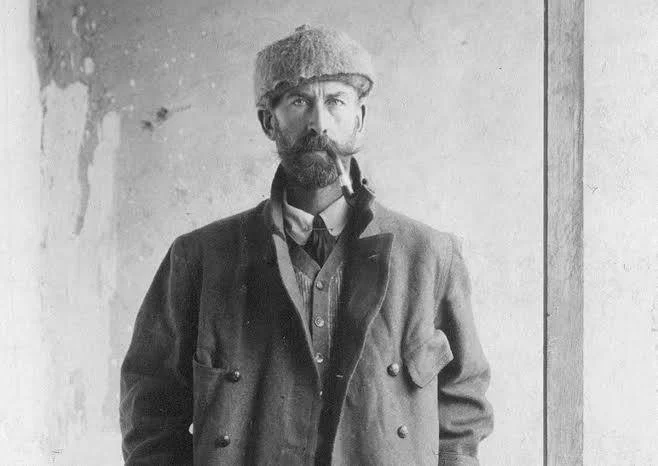
Percy Harrison Fawcett was born in 1867 in Torquay, England. His family had military ties, social status, and shrinking money. As a young man, he trained at the Royal Military Academy at Woolwich and joined the Royal Artillery.
Military service took him through imperial outposts, including Ceylon, now Sri Lanka. He became interested in maps, ruined places, endurance, and remote terrain. Those interests eventually carried him toward survey work, and by the early twentieth century, Fawcett had become connected to the Royal Geographical Society.
In 1906, the Society sent him to South America to help survey the borderlands between Bolivia and Brazil. The assignment was practical and political. The region was tangled by rivers, jungle travel, rubber interests, competing claims, Indigenous territories, and dangerous frontier economies. Accurate mapping could decide borders, trade routes, and control.
That first South American assignment changed Fawcett’s life.
He traveled through forests, swamps, rivers, rapids, insects, heat, disease, and hunger. He crossed places where European maps failed and where local guides knew far more than foreign surveyors with instruments. He also moved through a region already scarred by the rubber boom. Rubber interests had brought forced labor, abuse, raids, and mass violence against Indigenous communities across parts of Amazonia.
Fawcett was still a British imperial officer, and his writing carries the assumptions and prejudices of that world. But he also noticed things many outsiders ignored. He paid attention to Indigenous knowledge, local routes, settlement traces, language, and the possibility that European scholars had underestimated the Amazon.
Between 1906 and the early 1920s, Fawcett returned to South America again and again. He mapped rivers, gathered geographic data, crossed difficult terrain, and built a reputation for endurance that bordered on obsession. He could survive on little food, push through exhausting conditions, and keep moving when other men weakened.
That reputation came with a cost.
On one expedition, James Murray, who had gone to Antarctica with Ernest Shackleton, became sick while traveling with Fawcett. Murray later accused Fawcett of abandoning him when he was too weak to keep pace. The Royal Geographical Society rejected Murray’s harshest accusations, but the episode followed Fawcett for years.
Fawcett believed delay could kill an expedition. He believed weakness could spread. He believed the strongest man had to keep moving.
That belief made him formidable in the field.
It also made him dangerous.
The Manuscript That Fed the Search
The idea of a hidden city in Brazil was older than Fawcett.
Spanish and Portuguese accounts from the sixteenth, seventeenth, and eighteenth centuries described inland peoples, large settlements, roads, ruins, wealth, and places that European expeditions failed to locate again. Some of those accounts grew from greed. Some came through translation gaps, secondhand reports, and fantasy. Some carried pieces of real Indigenous geography filtered through colonial ambition.
One document became especially important to Fawcett: Manuscript 512.
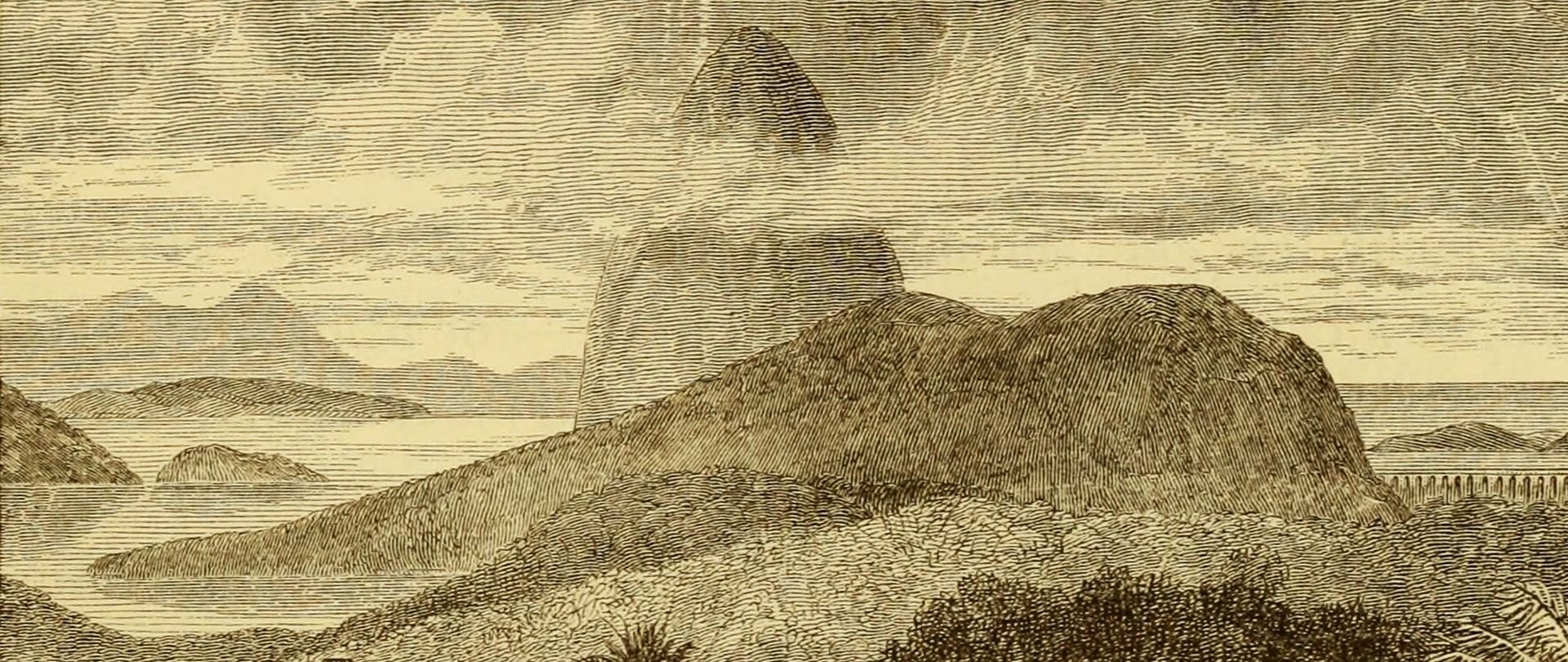
Manuscript 512 is an eighteenth-century Portuguese account that describes a ruined city supposedly found in Brazil in 1753 by adventurers searching for precious metals. The manuscript describes arches, a plaza, buildings, a statue, and inscriptions. It gives enough detail to haunt readers and too little precision to lead anyone safely back.
Fawcett believed his Z lay farther west, in Mato Grosso. He guarded his reasoning carefully, drawing from colonial documents, Indigenous reports, earthwork descriptions, his own travels, and private clues he rarely laid out in full.
He imagined an ancient settlement under the forest: organized, inhabited, planned, and far more complex than the Amazon was supposed to allow.
That idea challenged the dominant view of his time. Many scholars treated the Amazon as too wet, too diseased, too difficult, and too poor in soil to support large, organized societies. Dense rainforest looked like a barrier to civilization rather than the remains of human management. Fawcett disagreed. He believed the forest had covered the evidence.
World War I interrupted him.
Fawcett returned to Britain and served on the Western Front. He was nearly fifty years old, but he survived the war and came back with military honors, a stronger public reputation, and the same fixation he had carried before the fighting began.
After the war, he returned to the search for Z.
Failed Attempts and Dead Horse Camp
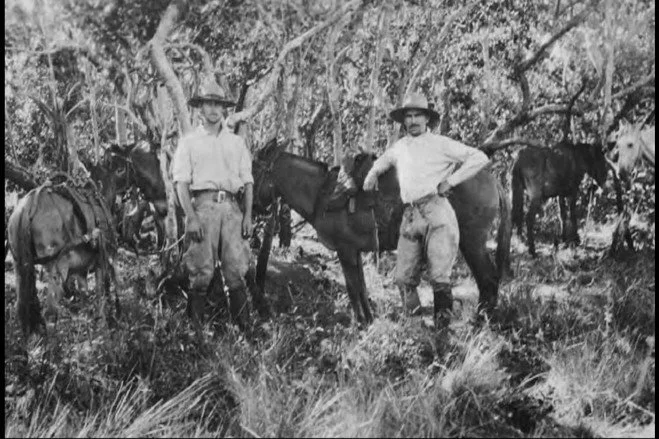
In 1920, Fawcett tried again to reach the region where he believed Z could be found.
The expedition failed. Fever, exhaustion, and punishing conditions forced him back. At one point, one of his pack animals died. Fawcett named the place Dead Horse Camp.
He spent the following years studying reports, comparing routes, and preparing a smaller expedition. He wanted to move light. A large party needed too much food, too many animals, too much coordination, and too many days. A smaller party could travel faster and attract less attention.
The plan carried obvious danger. A small party could disappear with almost no trace. A few men could recover poorly from illness, injury, lost supplies, failed hunting, or hostile encounters. If one person collapsed, the others would have almost no help.
Fawcett accepted that risk.
By the 1920s, his name already carried public weight. Newspapers loved stories of lost cities, hidden civilizations, dangerous jungles, and explorers with secret destinations. Fawcett arranged support through newspaper rights, which allowed readers far from Brazil to follow the expedition as dispatches came out.
For the final push, he chose two companions.
His eldest son, Jack, was young, strong, and devoted to his father. Jack’s friend Raleigh Rimell joined them. Rimell had the loyalty and willingness the trip demanded, though later accounts suggest he struggled physically before the expedition disappeared.
In April 1925, Fawcett, Jack, and Rimell left Cuiabá in Mato Grosso. They had guides for part of the way, pack animals, weapons, instruments, supplies, and dogs. They moved eastward toward the Xingu region, into country where Fawcett believed his lost city waited.
For a while, messages continued to come out.
Then the party reached Dead Horse Camp.
The Last Letters
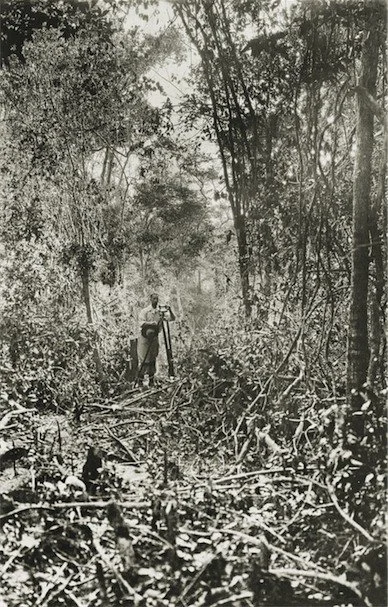
At Dead Horse Camp, Fawcett wrote his final letters.
He described the strain of the journey and the route ahead. Rimell was already struggling. Fawcett still sounded confident. He gave coordinates for Dead Horse Camp, though later writers have questioned whether the location was mistaken or deliberately misleading.
Fawcett had warned that rescue parties should avoid following him if he disappeared. He knew the country could kill people who entered it unprepared. He knew searchers might die chasing his trail. He also wanted control over the location of Z and didn’t want others following too closely behind him.
After Dead Horse Camp, he dismissed the guides and continued with Jack and Rimell.
That decision left the three men alone in a dangerous position. They were moving through Indigenous lands that had already suffered from disease, violence, raids, exploitation, and broken trust brought by outsiders. Travel through that country required more than endurance. It required permission, exchange, food, local knowledge, and relationships that could fail quickly.
Fawcett believed he could manage such encounters. On earlier expeditions, he survived tense meetings and sometimes avoided bloodshed by refusing to fire first. He believed confidence, restraint, and discipline could carry him through.
In 1925, he had only two companions and limited support.
After Dead Horse Camp, messages from Fawcett ceased. Verified remains never came out of the forest. Equipment never gave a final answer. A survivor never returned to explain what happened.
Percy Fawcett, Jack Fawcett, and Raleigh Rimell disappeared.
The Search for Fawcett
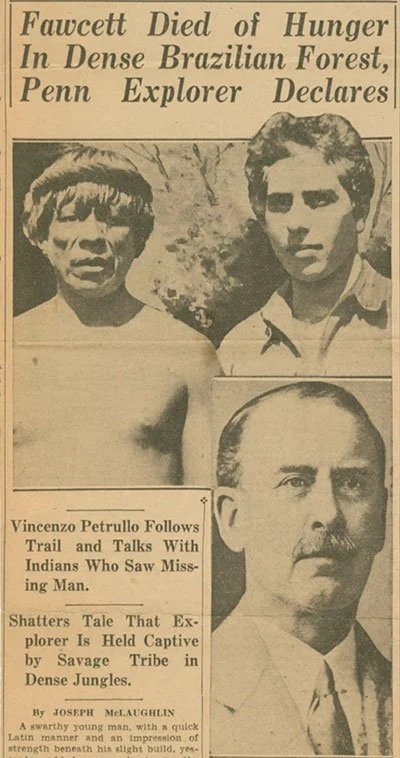
Fawcett had asked that rescue parties stay away.
People went anyway.
Journalists, explorers, adventurers, missionaries, officials, and Indigenous intermediaries followed rumors through Brazil for decades. Some believed Fawcett had been killed. Some believed he had joined an Indigenous community. Some claimed Jack had survived. Some chased reports of white men living deep in the forest. Some returned with bones, objects, or secondhand stories that later fell apart.
Fawcett’s disappearance became a danger of its own. Searchers entered remote country looking for three missing men and sometimes became part of the same disaster pattern. The number of people who died searching for him has often been repeated in exaggerated forms, but several searchers did vanish or die during later attempts to follow Fawcett’s trail.
In 1952, Orlando Villas-Bôas announced that bones connected to Fawcett had been recovered after a Kalapalo account. The discovery drew major attention. Forensic examination later showed that the bones belonged to someone else.
Kalapalo accounts have remained central to many later versions of the disappearance. Some versions say Fawcett’s party visited the Kalapalo and then continued east. After several days, the Kalapalo noticed that the travelers’ campfires had stopped appearing. In that version, the men may have been killed by another group or died after leaving.
Other versions suggested the Kalapalo themselves killed the party after conflict, illness, broken expectations around gifts or canoes, or behavior that created danger.
The Amazon could erase three men without a dramatic murder. Fever, infection, starvation, drowning, injury, hostile encounters, or one bad decision could have ended the expedition. A party of three had almost no margin. If Rimell collapsed, Fawcett and Jack faced a terrible choice. If supplies failed, they had to depend on hunting, fishing, foraging, or help from communities who owed them nothing. If they entered territory where outsiders were unwelcome, one encounter could end everything.
The forest never gave them back.
What Fawcett Got Wrong
Fawcett trusted uncertain sources. He guarded his evidence so closely that others could not test his reasoning. He blended observation, colonial rumor, spiritual interests, and speculation into a private theory only he fully possessed. He underestimated the danger of sending three men into a region where outsiders had already made enemies of themselves.
His confidence became reckless.
He also carried expectations from the wrong kinds of ruins. Colonial accounts often described lost cities through European eyes: arches, inscriptions, stone buildings, plazas, statues, and abandoned monuments. Fawcett’s Z grew partly from that world of writing.
Many ancient Amazonian communities built with earth, wood, palm, thatch, and other organic materials that decay in tropical environments. Roads, ditches, plazas, canals, causeways, fish weirs, managed forests, terra preta, and earthworks can remain after houses and public buildings disappear. A foreign explorer expecting stone ruins could walk through an engineered landscape and miss much of what made it extraordinary.
Fawcett searched for Z with courage, experience, and stubbornness.
He also searched with assumptions that would mislead him.
What Archaeology Later Found
Later archaeology changed the old view of the Amazon.
In the Upper Xingu region, archaeologist Michael Heckenberger and Kuikuro collaborators documented pre-Columbian settlement systems with roads, plazas, ditches, bridges, canals, and connected communities. Their work showed that parts of the southern Amazon had supported large, organized populations with regional planning and engineered landscapes before European contact.
These were Amazonian settlements built from local materials, local knowledge, and long-term environmental management.
Roads connected communities. Plazas organized public life. Ditches and earthworks marked space, defense, and planning. Canals, bridges, and managed landscapes showed regional coordination. In some areas, terra preta — dark, fertile, human-made soil — preserved evidence of long-term settlement and agriculture.
Newer remote-sensing work across parts of Amazonia has continued revealing earthworks, causeways, mounds, canals, roads, and other human-made features under forest cover. These discoveries have challenged the older idea of an untouched wilderness and replaced it with something far more complicated: an Amazon shaped by many Indigenous societies over thousands of years.
That doesn’t prove Fawcett’s Z existed exactly as he imagined.
It proves that his broader suspicion had some substance.
The Amazon had supported complex societies. The forest had hidden evidence. Outsiders had underestimated what Indigenous people had built, managed, and maintained long before European maps claimed authority over the region.
Fawcett was wrong in many details.
But his belief that the Amazon held far more human history than his world accepted was right on the money.
What Happened to Percy Fawcett?
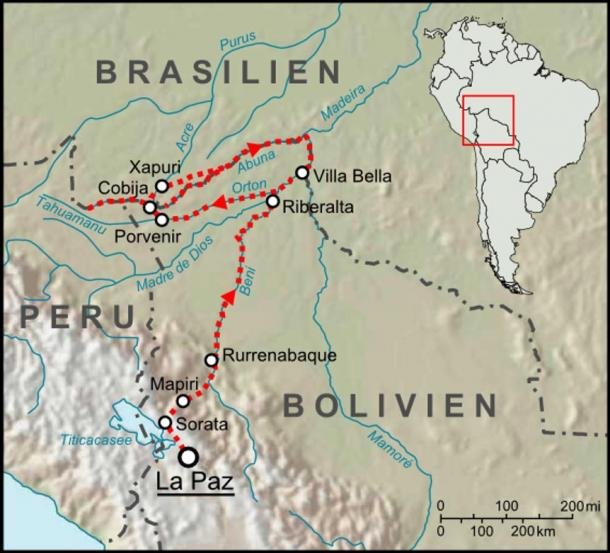
Percy Fawcett, Jack Fawcett, and Raleigh Rimell were last known alive in 1925, moving beyond Dead Horse Camp into Mato Grosso.
They may have died from hunger, fever, injury, exhaustion, drowning, or infection. They may have been killed after entering territory where outsiders were unwelcome. They may have become too weak to keep moving. Rimell’s condition may have slowed the party. A failed hunt, lost supply, broken canoe, hostile encounter, or tropical illness could have ended them before any clear trace remained.
Confirmed remains have never been found.
He believed the Amazon had once held more than outsiders could see.
Archaeology later proved that much.
The forest took him before he could know it.
Percy Fawcett went in looking for a lost civilization.
He vanished in a region where ancient roads, plazas, ditches, and settlements had been waiting under the trees all along.
Want More?
If you’re drawn to dark history, old folklore, lost places, and unsolved mysteries, my books might be just what you’re looking for.
Start with A Vow for Breaking for Appalachian folk horror, family curses, and a house full of secrets — or A Dark Most Fair for a dark fairy tale about jealousy, longing, and a dangerous bargain with the fey.
Recommended Nonfiction Reading
David Grann, The Lost City of Z: A Tale of Deadly Obsession in the Amazon
Percy Harrison Fawcett and Brian Fawcett, Exploration Fawcett
Michael J. Heckenberger, The Ecology of Power: Culture, Place, and Personhood in the Southern Amazon, A.D. 1000–2000
Sources
Grann, David. “The Lost City of Z.” The New Yorker, 12 Sept. 2005.
Heckenberger, Michael J. The Ecology of Power: Culture, Place, and Personhood in the Southern Amazon, A.D. 1000–2000. Routledge, 2005.
Heckenberger, Michael J., et al. “Pre-Columbian Urbanism, Anthropogenic Landscapes, and the Future of the Amazon.” Science, vol. 321, no. 5893, 2008, pp. 1214–1217.
Canal-Soler, Jordi. “The Man Who Died Searching for the Lost City of Z.” National Geographic, 13 June 2024.
Peripato, Vinícius, et al. “More than 10,000 Pre-Columbian Earthworks Are Still Hidden throughout Amazonia.” Science, vol. 382, no. 6666, 2023, pp. 103–109.
“Manuscript 512.” Biblioteca Nacional do Brasil, Rio de Janeiro.