The Curse of the ‘White City’:Dark History and Folklore
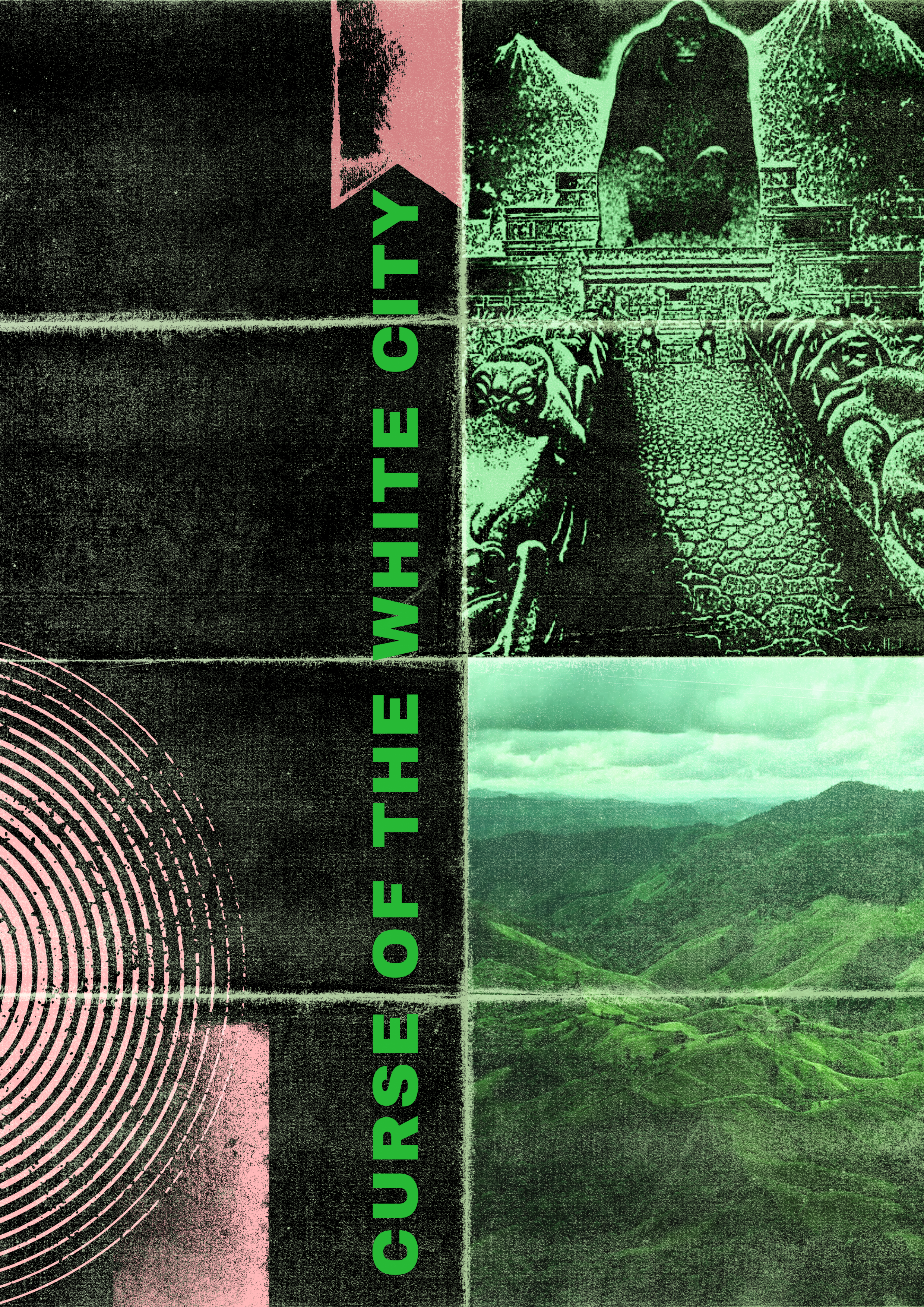
In 2015, a team of explorers and researchers walked into the Honduran jungle.
They were following LiDAR images: pale grids, plazas, and earthworks hidden under the trees.
When the team reached the valley, they found real ruins. Real earthworks. Real sculptures.
They also brought something back with them.
The legend is usually called La Ciudad Blanca, or the “White City.” You may also know it as the Lost City of the Monkey God, a name made famous by twentieth-century expeditions, newspaper coverage, and Douglas Preston’s book.
The real place belongs to the Mosquitia region of eastern Honduras, one of the densest rainforest regions in Central America. This is remote country: rivers, mountains, floodplains, heavy vegetation, snakes, insects, disease, and weather that can turn a research trip into a survival problem fast.
The “curse” of the White City wasn’t a ghost.
It was a sand fly.
Where is La Cuidad Blanca?
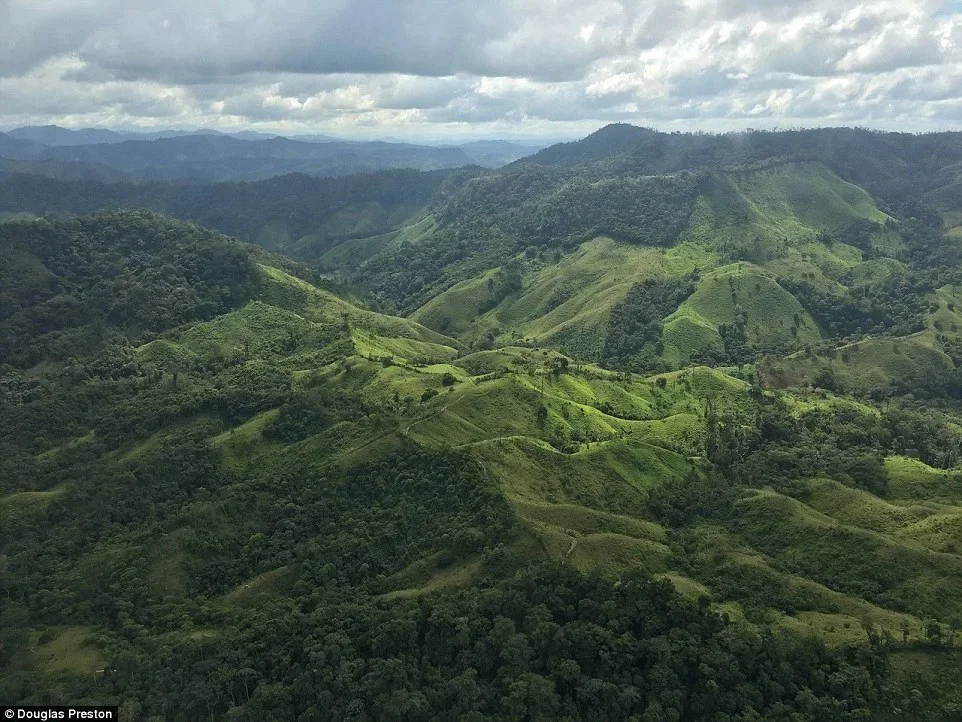
La Ciudad Blanca is usually tied to the Gracias a Dios Department in eastern Honduras, especially the wider Mosquitia rainforest and the Río Plátano Biosphere Reserve.
This wasn’t empty land waiting for outsiders to discover it. Indigenous communities knew the region long before modern expeditions. The Pech, Miskitu, Tawahka, and Garifuna all belong to the human history of this landscape.
The Pech name often connected to the legend is Kahã Kamasa, usually translated as “White Town” or “White House.” Over time, Spanish-language and English-language tellings turned that into La Ciudad Blanca, the White City.
That shift changed the legend.
‘White House’ became ‘White City.’ White City became lost city. Lost city automatically brought up gold, temples, forgotten gods, and adventure.
The White City legend grew from a real region, real Indigenous knowledge, real archaeological sites, and a long outside obsession with treasure.
Spanish Rumors
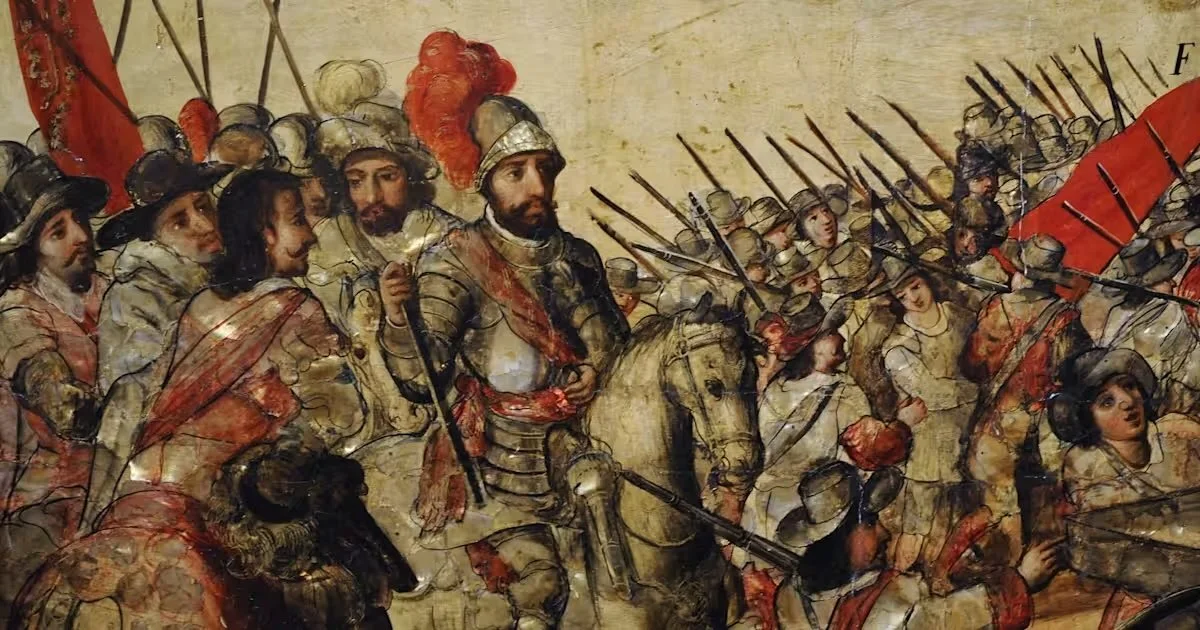
One of the earliest European threads goes back to Hernán Cortés.
In 1526, Cortés wrote to Emperor Charles V about reports of an inland province in Honduras with towns, villages, and wealth. He didn’t find the White City. He didn’t map the place. But his letter helped feed the idea that somewhere inland, beyond the coast and beyond the easier routes, there were richer lands.
A few decades later, Bishop Cristóbal de Pedraza wrote about a large inland settlement where people supposedly ate from plates of gold. Again, this was something described to him, not a place he personally mapped.
That is how these legends often moved through colonial writing. Spanish officials heard Indigenous stories, local geography, translation fragments, guide reports, and rumor. Later readers remembered the gold.
And gold did what gold always does in colonial history.
It made people reckless.
The Quest
By the nineteenth and twentieth centuries, the White City had become a target.
Explorers, archaeologists, adventurers, and newspaper men all circled the Mosquitia legend.
In the 1920s, archaeologist Herbert Spinden explored areas around the Río Patuca and Río Plátano and described stone metates, vessels, and other material remains from the region.
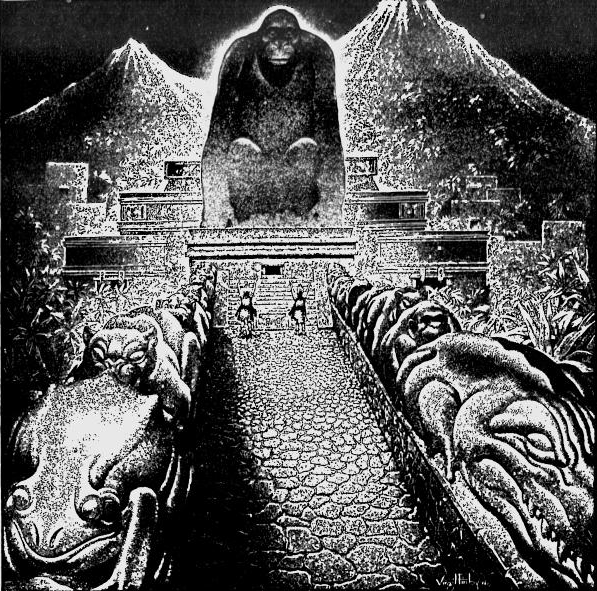
In the 1930s, F. A. Mitchell-Hedges returned from Mosquitia with claims about a lost city and a giant monkey god statue. He also came back with malaria, diarrhea, and the loss of an eye, which feels like the jungle making its point.
In 1933, archaeologist William Duncan Strong explored northeastern Honduras for the Smithsonian Institution. His work brought more archaeological attention to the area, though it didn’t prove a single legendary White City.
Then came Theodore Morde.
In 1940, Morde claimed he had found the Lost City of the Monkey God. Newspapers loved it. The details sounded incredible. The evidence never settled the claim, and the location he described was never confirmed.
The legend survived because it had everything a lost-city mystery needs: remote jungle, Indigenous stories filtered through outsiders, conquistador greed, missing explorers, rumors of gold, and real archaeology in the surrounding region.
Science Steps In
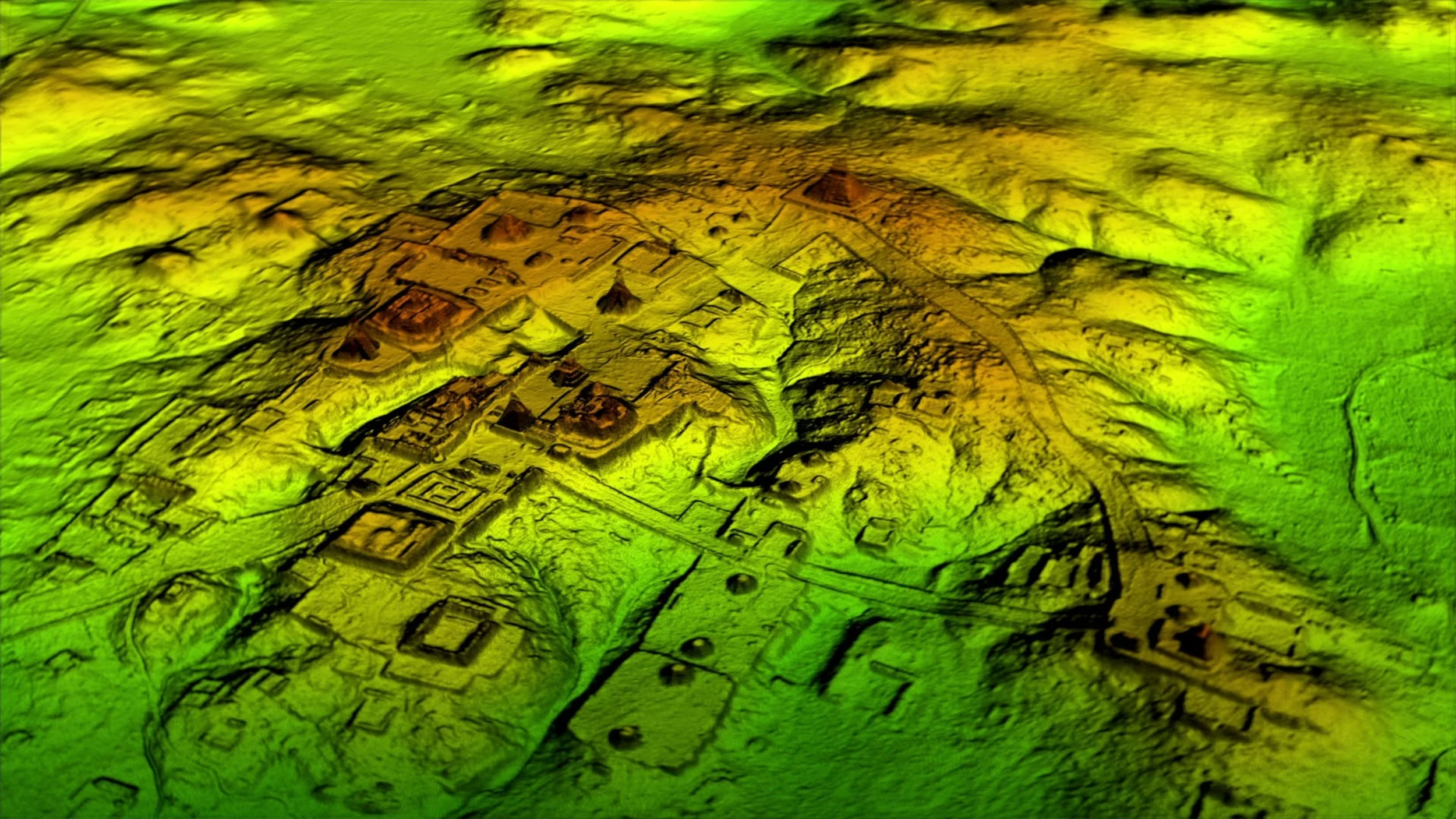
Image Credit: National Geographic
In 2012, a privately funded airborne LiDAR survey mapped target areas in Mosquitia.
LiDAR means Light Detection and Ranging. The technology sends laser pulses from an aircraft toward the ground. Some pulses hit leaves and branches. Others reach the forest floor. Researchers use the return data to build digital models of the terrain below the canopy.
That is how researchers saw what people on foot had missed: straight lines, plazas, platforms, mounds, causeways, and other features that looked human-made.
The LiDAR survey didn’t prove a single legendary White City. It identified major archaeological sites in Mosquitia that deserved careful study.
In 2015, a team entered one of the valleys by helicopter. They confirmed that LiDAR had identified real archaeological features. On the ground, researchers documented plaza edges, earthworks, mounds, and a cache of stone objects, including carved vessels and animal forms.
One object drew a lot of attention: a human-jaguar figure often described as a “were-jaguar.” That discovery helped push the name Valley of the Jaguar for the specific basin, which fits the site better than calling every ruin in Mosquitia the White City.
The site wasn’t Maya, although it belonged to a region that interacted with wider Mesoamerican worlds. The builders may have shared or adapted certain practices with neighboring cultures, including mound building, plazas, and possibly ball courts. Their exact identity remains under study.
Searchers weren’t looking at one shining city of white stone.
They were looking at a rainforest region with deep settlement history.
What Did They Find?
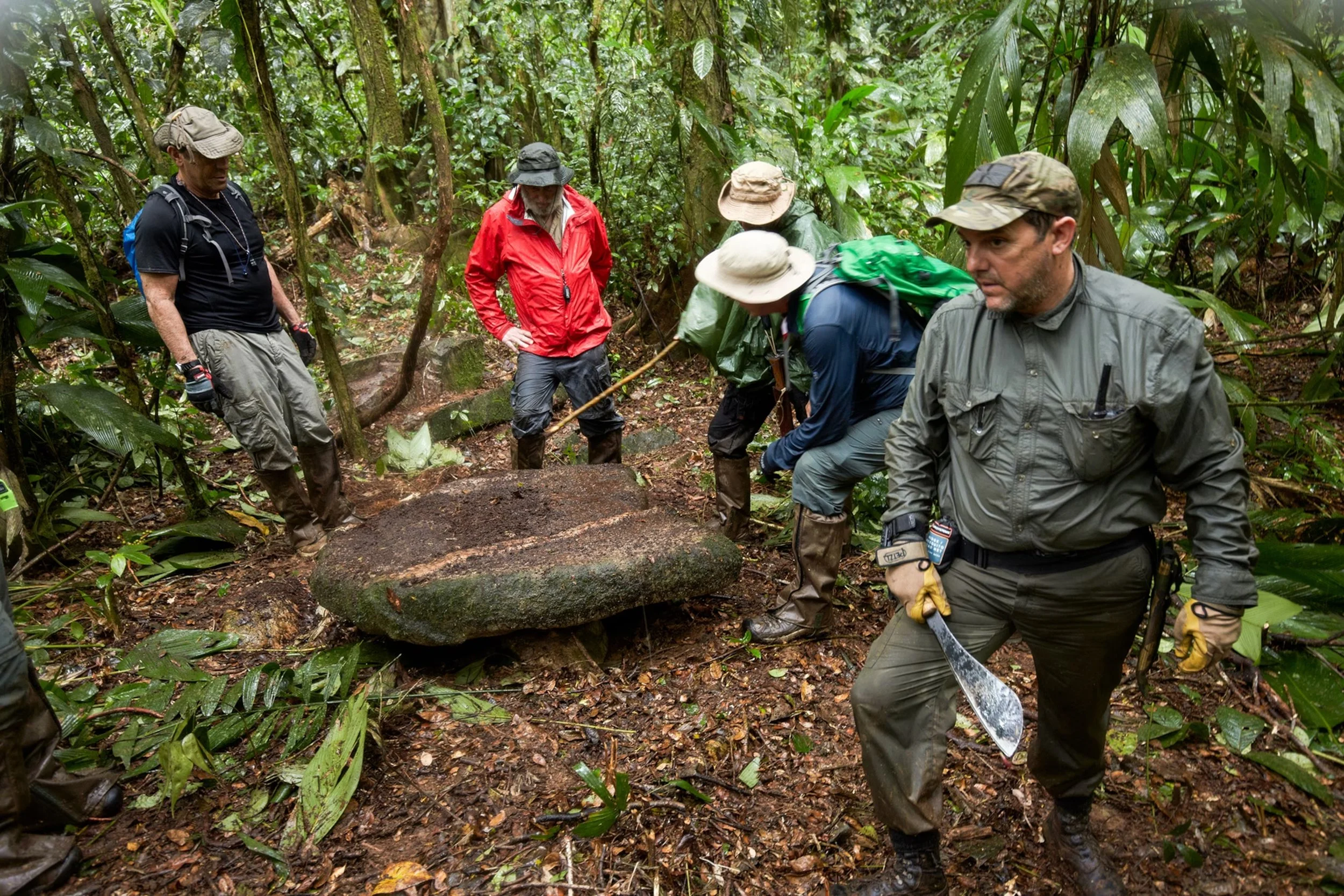
Image Credit: National Geographic
The 2015 ground team documented surface architecture and a concentration of stone objects near a low platform. The objects included carved vessels, seats, and figures with animal imagery. Archaeologists treated the cache carefully and left much of it in place at first.
The site also showed evidence of human design in the land itself: plaza edges, mounds, house areas, causeways, and possible water-management features.
Dense rainforest doesn’t automatically mean easy living. A large population needs food, water, routes, storage, and agricultural planning. In tropical environments, ancient communities often shaped the land to make long-term settlement possible.
The people who built in this valley organized space, made ritual objects, shaped earthworks, and left a physical world under the canopy.
Then, at some point, they left.
Why Was the Site Abandoned?
We don’t know yet.
Disease is possible. Environmental pressure is possible. Conflict, shifting trade routes, drought, resource strain, political collapse, or several pressures at once could all belong in the discussion.
The broader Maya world faced major changes long before the Spanish arrived, and many cities in Central America were abandoned or transformed for reasons tied to water, agriculture, political stress, warfare, and climate. But the Mosquitia sites were not simply Maya sites under another name, so we have to be careful about forcing a Maya explanation onto them.
The builders of the Valley of the Jaguar may have left before European contact. They may have left after. They may have moved for reasons that made perfect sense to them and look mysterious only because we have physical evidence without a direct explanation.
A complex settlement existed in eastern Honduras.
The jungle covered it for centuries.
The “Curse” Was a Real Disease
After the 2015 expedition, several team members developed leishmaniasis, a parasitic disease spread by infected sand flies.
The most common form, cutaneous leishmaniasis, can cause skin sores that develop weeks or months after the bite. Some sores become ulcers with raised edges and a central crater. Mucosal leishmaniasis can affect the nose, mouth, or throat. Visceral leishmaniasis can affect internal organs and can become life-threatening without treatment.
That is the disease behind the modern “curse” story.
The expedition team had bug protection. They had equipment. They had planning. They had helicopters. Infected sand flies still got through.
For anyone hearing old warnings about a forbidden city, that disease would be easy to fold into folklore. A person enters dangerous jungle, returns with bites, and develops a brutal illness after the trip. Nature can do what a curse claims to do.
That doesn’t mean leishmaniasis destroyed the ancient settlement. The evidence does not support that as a fact.
But it does explain why the Curse of the White City feels so convincing.
Why Archaeologists Push Back
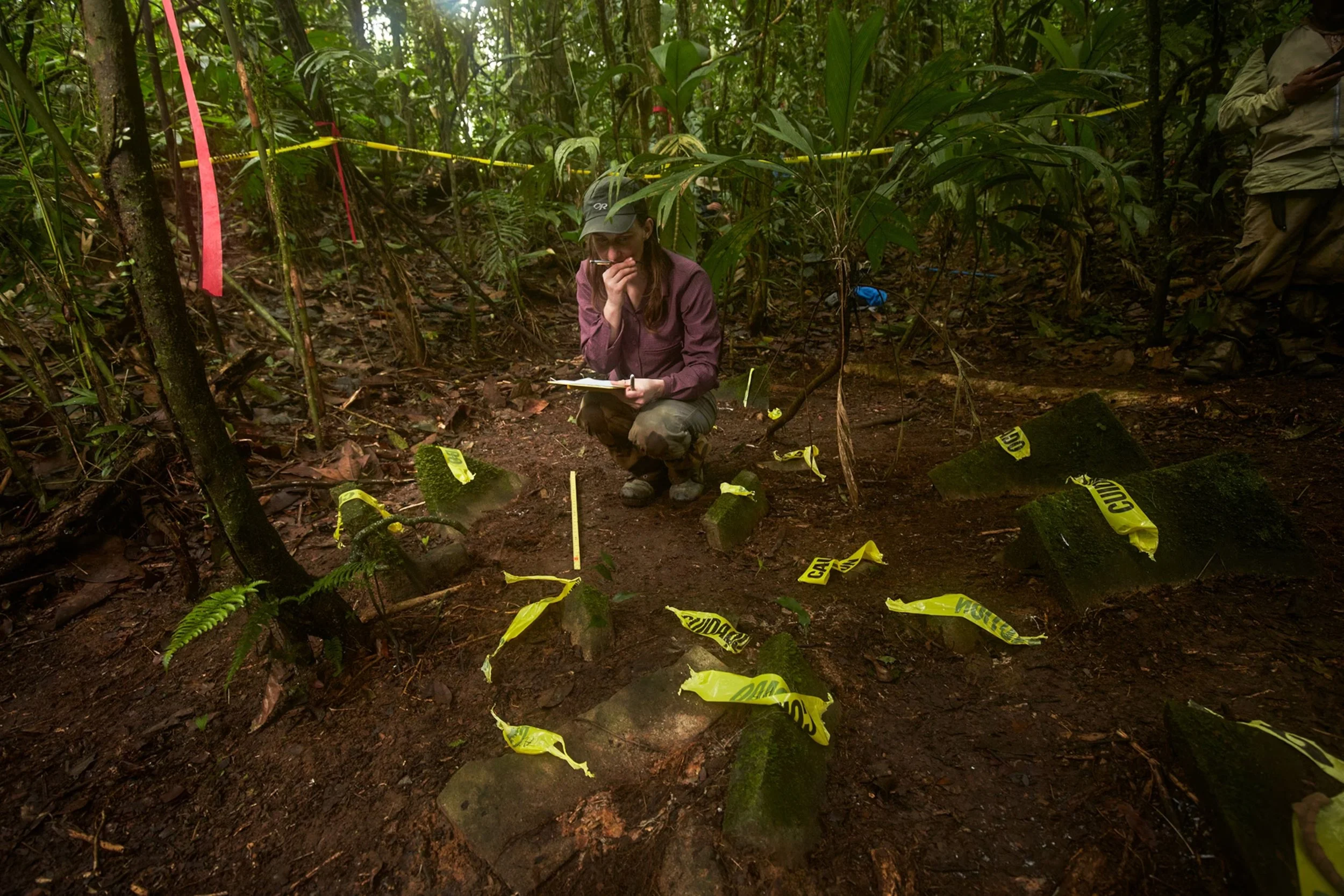
Image Credit: National Geographic
The 2015 announcement drew excitement, but it also drew criticism.
Some archaeologists objected to the “lost city” language, especially when headlines suggested outsiders had suddenly discovered something unknown to the people of Honduras. Others argued that the White City framing flattened Indigenous knowledge, ignored earlier archaeological work, and turned a complex region into an adventure tale.
Rosemary Joyce, a Mesoamerican archaeologist and expert on Honduran archaeology, strongly criticized the hype around the discovery. She objected to the idea of a single White City and to the spectacle-heavy framing, while also acknowledging that the LiDAR images appeared to show real archaeological features.
That criticism deserves attention.
The ruins are real. The folklore is real. The Indigenous history of the region is real. The problem comes when those things get smashed together into the treasure-hunting version of the legend, where outsiders receive credit for finding a place tied to local land, language, and tradition.
Mosquitia held more than one archaeological site. It also held living Indigenous histories, endangered rainforest, and evidence that this region supported complex societies before modern mapping revealed the earthworks.
Can You Visit the White City?
This is not a tourist site.
The archaeological areas are remote, protected, difficult to reach, and sensitive. The region also faces environmental and security pressures, including deforestation, cattle ranching, illegal activity, and threats to biodiversity.
Conservation International later worked in the area through its Rapid Assessment Program and documented extraordinary biodiversity near the ruins, including rare and threatened species.
There is also the archaeological issue. Once a site becomes famous, looting can follow fast. So can damage from people who don’t mean harm but still trample, touch, remove, or disturb what they came to admire.
Some places can handle visitors. Some places need guides, permits, and strict limits. Some places need protection more than publicity.
The Valley of the Jaguar needs protection right now.
So Was the White City Real?
Yes and no.
The legendary White City — a single lost metropolis of white stone, gold, monkey gods, and colonial rumor — has never been proved.
The archaeological sites in Mosquitia are real.
LiDAR helped researchers identify plazas, mounds, earthworks, and settlement features under the rainforest canopy. The 2015 expedition confirmed physical ruins and ritual objects in the valley. Sand flies brought the “curse” into the modern story with leishmaniasis.
The White City legend grew from Indigenous place names, colonial greed, Honduran folklore, real archaeological sites, and centuries of speculation about what lay under the trees.
Searchers went looking for a treasure myth.
They rediscovered an ancient settlement in the rainforest.
Want more?
If you’re drawn to dark history, old folklore, lost places, and unsolved mysteries, my books might be just what you’re looking for!
Start with A Vow for Breaking for Appalachian folk horror, family curses, and a house full of secrets — or A Dark Most Fair for a dark fairy tale about jealousy, longing, and a dangerous bargain with the fey.
Sources
Aronson, Naomi, et al. “Diagnosis and Treatment of Leishmaniasis: Clinical Practice Guidelines by the Infectious Diseases Society of America and the American Society of Tropical Medicine and Hygiene.” Clinical Infectious Diseases, vol. 63, no. 12, 2016, pp. e202–e264.
Centers for Disease Control and Prevention. “About Leishmaniasis.” CDC, 2024.
Centers for Disease Control and Prevention. “Clinical Overview of Leishmaniasis.” CDC, 2024.
Centers for Disease Control and Prevention. “Signs and Symptoms of Leishmaniasis.” CDC, 2024.
Conservation International. “Biological Treasures of the ‘Lost City of the Monkey God’ in Honduras.” Conservation International.
Fisher, Christopher T., et al. “Identifying Ancient Settlement Patterns through LiDAR in the Mosquitia Region of Honduras.” PLOS ONE, vol. 11, no. 8, 2016.
Joyce, Rosemary A. “Good Science, Big Hype, Bad Archaeology.” Ancient Bodies, Ancient Lives, 2012.
Preston, Douglas. “Exclusive: Lost City Discovered in the Honduran Rain Forest.” National Geographic, 2 Mar. 2015.
Preston, Douglas. The Lost City of the Monkey God: A True Story. Grand Central Publishing, 2017.
Watts, Jonathan. “Archaeologists Condemn National Geographic over Claims of Honduran ‘Lost City.’” The Guardian, 11 Mar. 2015.