The Real Dracula: Vlad III of Wallachia
In June 1462, Sultan Mehmed II marched into Wallachia with a large Ottoman army. Nine years earlier, he had conquered Constantinople. Wallachia was smaller, poorer, and far more vulnerable than the Byzantine capital had been, but its prince had already made the campaign expensive before the Ottoman army reached the Wallachian capital.
Vlad III had stripped the countryside ahead of the advance. Food had disappeared. Wells had been ruined. Villages had been emptied. Ottoman soldiers crossed a hostile landscape of heat, hunger, ambushes, and abandoned settlements.
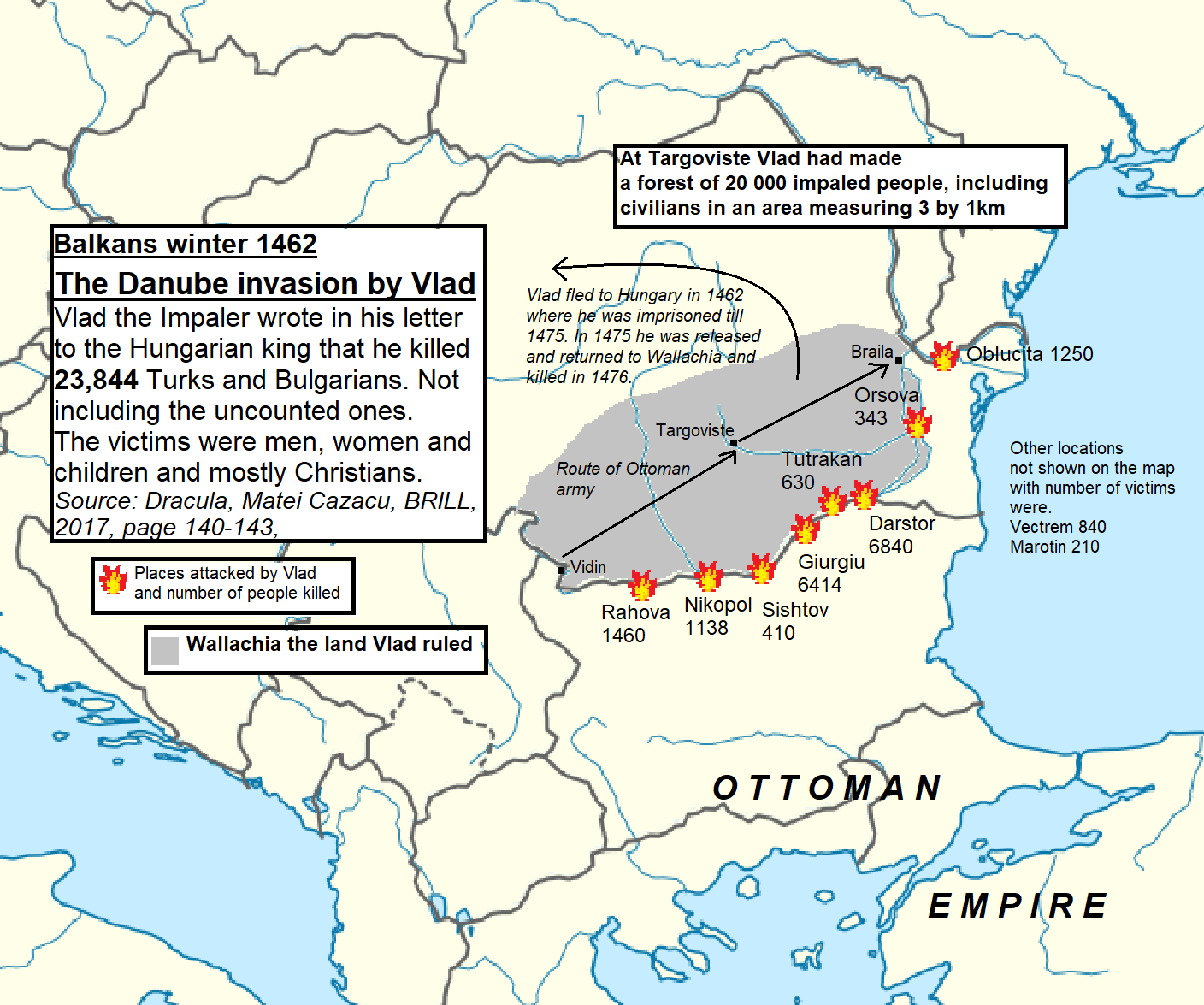
When Mehmed’s army approached Târgoviște, the capital was empty. Outside the city, the Ottomans found a field of impaled bodies. Some later accounts give a number as high as twenty thousand. Medieval numbers often ran high, especially in hostile accounts, but the exact total matters less than the purpose of the scene. Vlad had turned the road to his capital into a warning.
This was Vlad III of Wallachia, later called Vlad Țepeș, Vlad the Impaler, and Vlad Dracula. Centuries later, Bram Stoker would give the name Dracula to a vampire. The historical prince was a Wallachian ruler fighting for a throne caught between Hungary, the Ottoman Empire, and his own nobles.
Who Was Vlad Dracula?
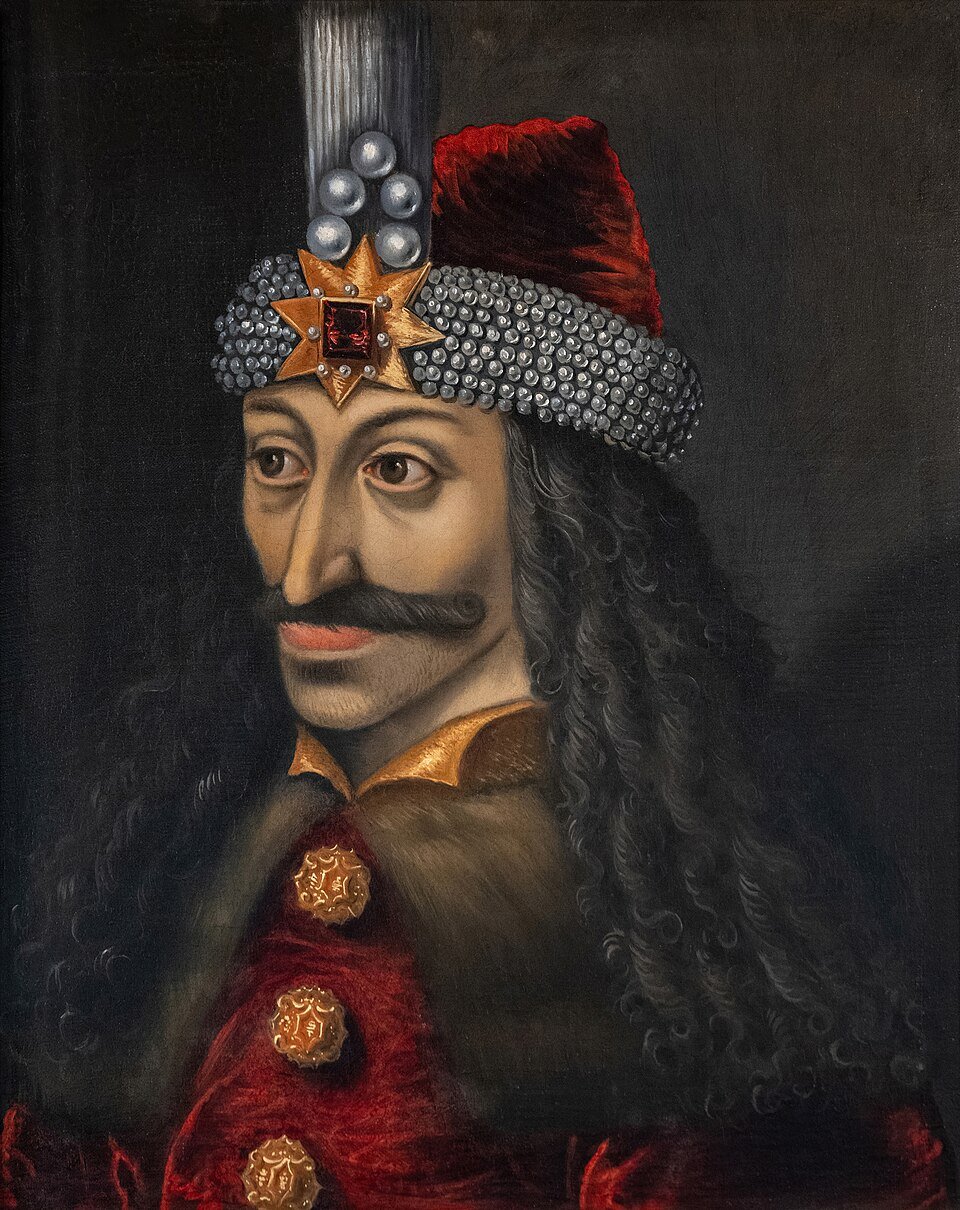
Vlad III was born sometime between 1428 and 1431, most likely in Sighișoara, a Transylvanian Saxon town in the Kingdom of Hungary. He belonged to the House of Drăculești, a branch of the Basarab dynasty, the ruling family of Wallachia.
Wallachia was a principality north of the Danube, between the Kingdom of Hungary and the Ottoman Empire. Its position made it valuable and dangerous. Hungarian kings wanted influence there. Ottoman sultans wanted tribute and obedience. Wallachian boyars, the local nobles, often shifted support between rival claimants when a prince became inconvenient.
Vlad’s father was Vlad II Dracul. The name Dracul came from the Order of the Dragon, a chivalric order founded under King Sigismund of Hungary to defend Christian territory against Ottoman expansion. In that context, Dracul meant “the Dragon.” Later Romanian usage also carried the meaning “the Devil,” which gave the name a darker edge in foreign retellings.
Vlad III used the form Drăculea or Dracula, meaning “son of Dracul” or “son of the Dragon.” The name began as a dynastic and political title tied to his father’s status, long before it became attached to vampire folklore.
Wallachia Between Hungary and the Ottomans
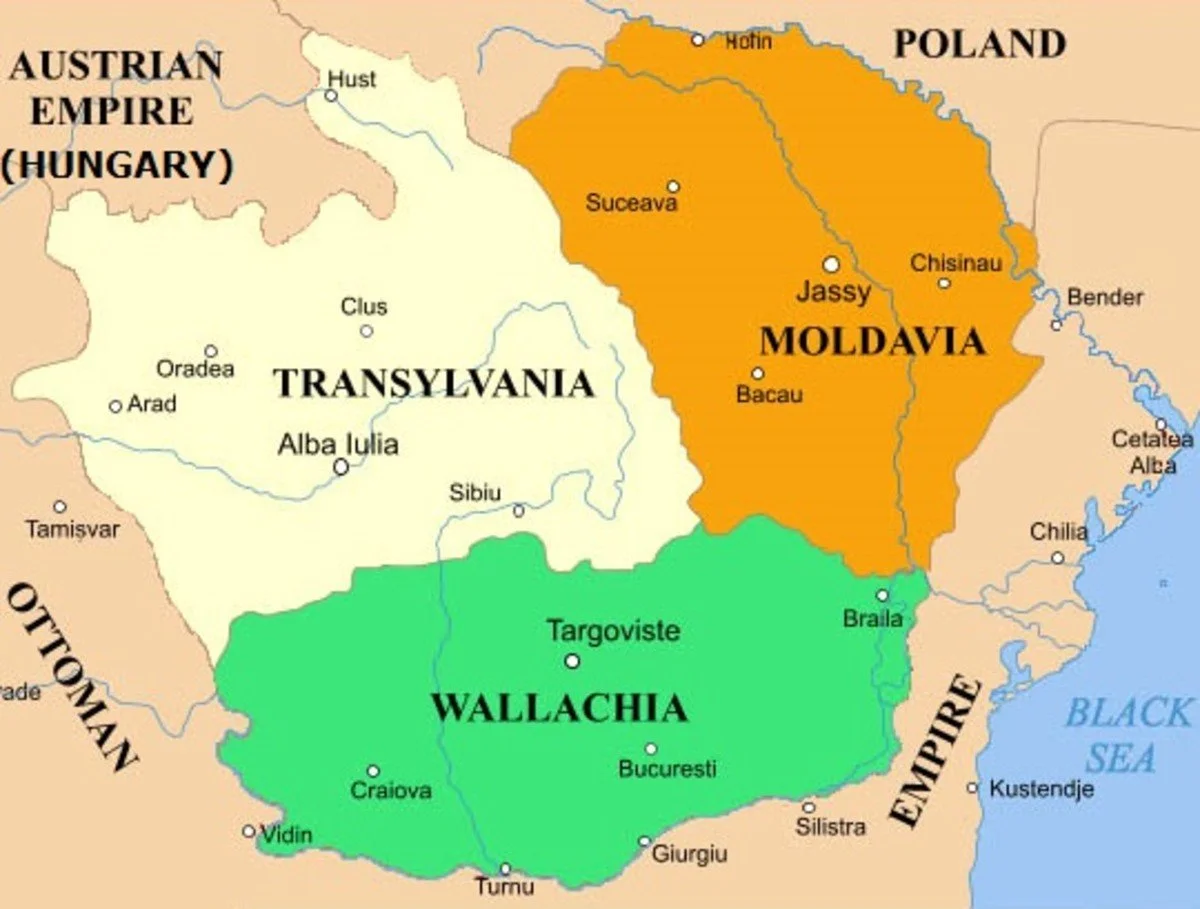
Wallachia was difficult to hold for long. The principality controlled routes between the Danube and the Carpathian Mountains, and its rulers had to bargain constantly with stronger neighbors. A Wallachian prince needed noble support at home, foreign backing abroad, money, soldiers, and enough fear or loyalty to prevent rivals from replacing him.
The throne changed hands often. A claimant could return with Hungarian help. Another could arrive with Ottoman support. Boyars could back one prince, then support another when power shifted. A prince could take the throne, lose it, flee, return, and die in another struggle a few years later.
Vlad grew up inside that system. His father took the Wallachian throne in 1436 and tried to preserve his rule through a dangerous balance between Hungary and the Ottoman Empire. In 1442, Sultan Murad II demanded proof of loyalty from Vlad II. The prince gave him hostages: two of his sons, Vlad and Radu.
Vlad as an Ottoman Hostage
Vlad and his younger brother Radu spent part of their youth in Ottoman custody. They were hostages, but they were also noble boys held inside a powerful court. They would have seen Ottoman military structure, court ceremony, diplomacy, tribute politics, and the way the empire managed frontier princes.
Radu adapted to Ottoman life. He became close to the court and later received Ottoman support for his own claim to Wallachia. Vlad’s later career followed a different path. His years as a hostage gave him a close view of Ottoman power, and when he later fought the empire, he understood the system he was resisting.
During those years, Wallachia changed behind them. In 1447, Vlad II Dracul was killed. Vlad’s older brother Mircea was also killed, reportedly blinded and buried alive after conflict involving Wallachian boyars and Hungarian-backed forces. The murders shaped Vlad’s later treatment of the nobles he believed had helped destroy his family.
Vlad and Radu
Radu was Vlad’s younger brother, and his life had taken the opposite direction.
Both brothers had been held at the Ottoman court. Vlad became a violent enemy of Ottoman control. Radu became an Ottoman-backed claimant to the Wallachian throne.
After the 1462 campaign, Radu gained support among Wallachian boyars. He offered them Ottoman favor without Vlad’s level of terror. For nobles who had suffered under Vlad or feared becoming his next targets, Radu was useful.
Vlad could not rule by fear alone. He needed noble cooperation, soldiers, taxes, local authority, and enough political support to hold the throne. When enough boyars shifted toward Radu, Vlad’s reign became impossible to maintain.
By late 1462, Vlad fled to Hungary and sought help from King Matthias Corvinus. Instead, Matthias arrested him.
Vlad in Hungarian Captivity
Vlad spent years in Hungarian custody.
The arrest was political. Matthias Corvinus had received money and support for anti-Ottoman campaigning, but he had not delivered the major war his allies expected. Vlad became useful as an explanation for delay and failure. Letters appeared accusing Vlad of secret dealings with the Ottomans. Many historians treat those letters with suspicion, and some argue they were forged or manipulated.
For a prince famous for fighting the Ottomans, the accusation did serious damage.
Vlad’s captivity seems to have changed over time. He was held for years, but he later regained favor at the Hungarian c.ourt. Some accounts say he converted to Catholicism and married into a Hungarian noble family. By the 1470s, he had returned to anti-Ottoman politics.
The chance to reclaim Wallachia came again in 1476.
Vlad’s First Reign
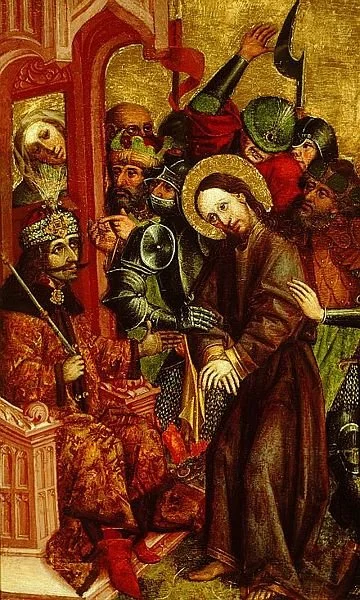
In 1448, Vlad made his first attempt to take the Wallachian throne. He had Ottoman support at first because the Ottomans wanted a friendly ruler north of the Danube. Vlad briefly seized power while his rival, Vladislav II, was away.
The reign lasted only a short time. Vladislav returned, and Vlad fled.
For several years, Vlad lived as a displaced claimant. He spent time in Moldavia and later came under Hungarian influence. He had a family claim, but a claim alone did not give a man Wallachia. He needed soldiers, allies, timing, and a chance to remove the prince who had replaced his father.
That chance came in 1456, when Vlad defeated Vladislav II and took the throne again.
Vlad Takes the Throne Again
Poenari Fortress
Vlad’s second reign, from 1456 to 1462, made his reputation. Wallachia had been weakened by rival claimants, boyar politics, foreign interference, and repeated changes of rule. Vlad did not intend to let the noble families use him as another temporary prince.
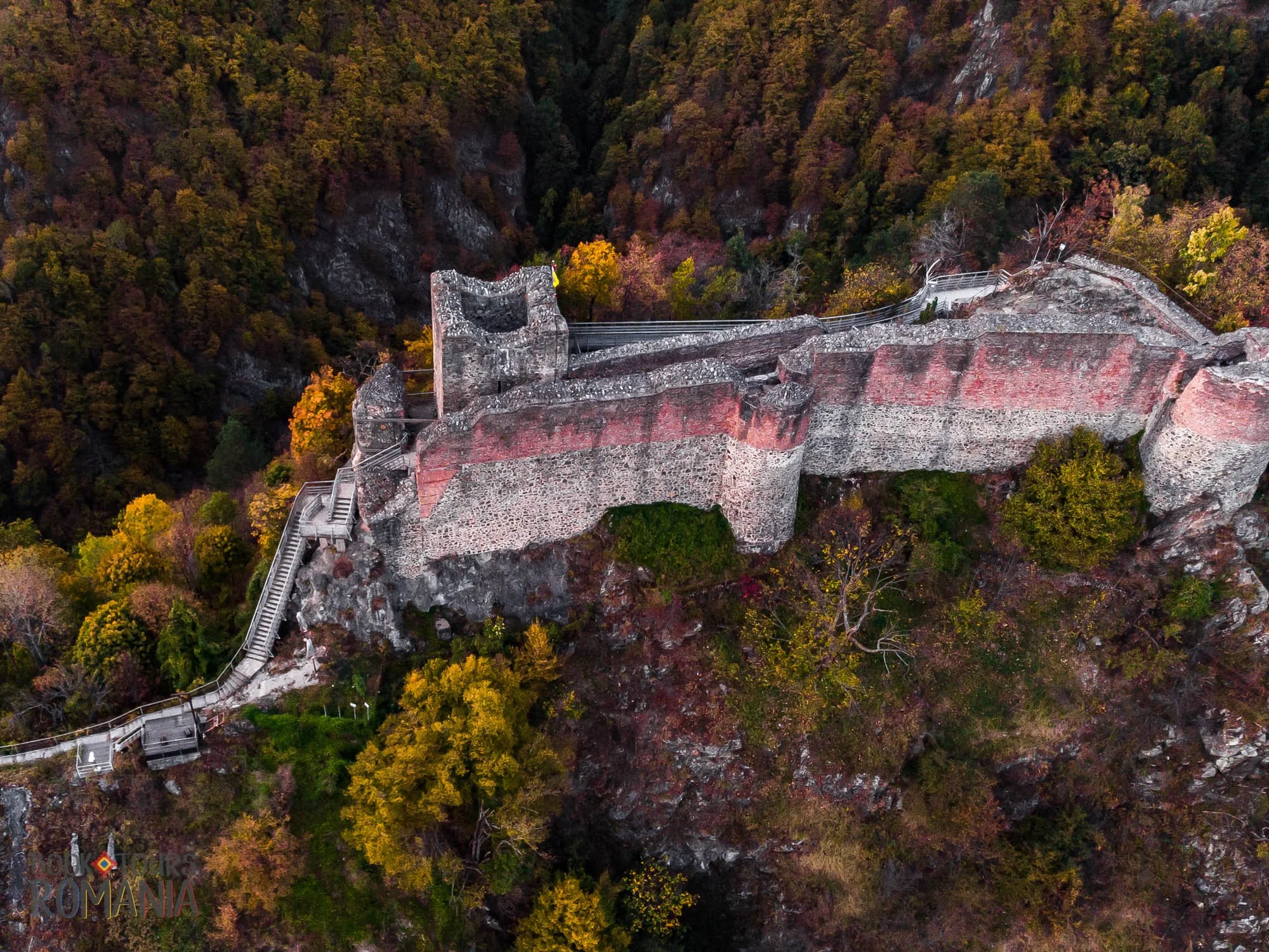
He moved against the boyars who had weakened the throne and those he believed had played a role in the deaths of his father and brother. Later sources describe an Easter gathering at Târgoviște where Vlad invited boyars and their families, then punished them for treachery. Some were impaled. Others were forced to march and labor on fortifications, often linked in later tradition to Poenari Castle.
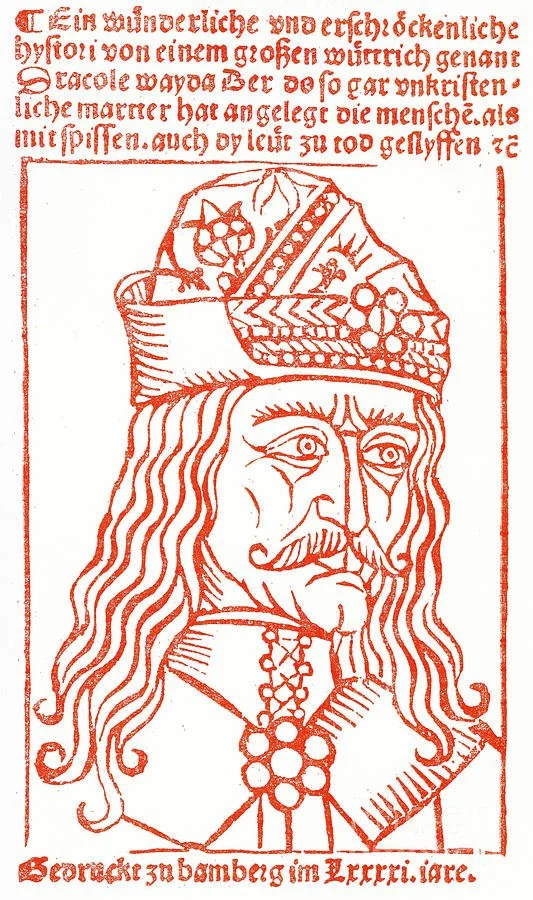
The details vary by source, but Vlad’s larger policy is clear. He attacked the noble class that had made Wallachian rule so fragile. He also punished theft, disobedience, betrayal, and resistance with extreme violence. His enemies accused him of killing merchants, beggars, monks, women, children, ambassadors, and peasants. Some stories came through hostile German pamphlets printed by communities that had every reason to hate him. Some scenes were likely exaggerated or arranged for propaganda.
The central reputation came from real practice. Vlad used impalement often enough that it became his name. Țepeș means “the Impaler.”
Impalement as Policy
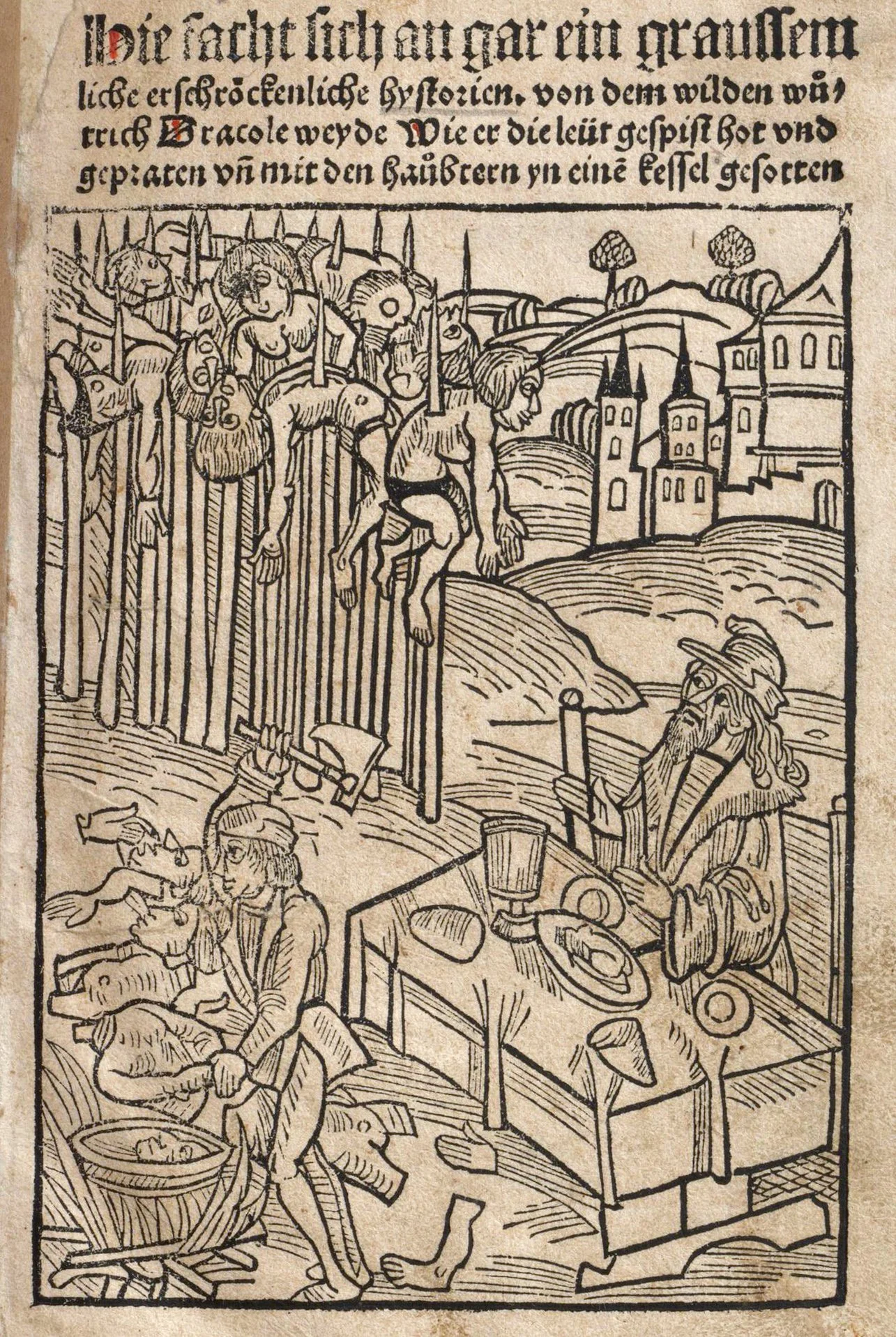
Impalement existed before Vlad and appeared in several regions, including Ottoman punishment practices. Vlad made it central to his rule.
The punishment was public, slow, and terrifying. A body on a stake could be seen from roads, gates, fields, and city approaches. It turned execution into a warning for anyone who passed by. Vlad used it against political enemies, criminals, prisoners, and people accused of disobedience.
He ruled a small principality between powerful enemies. He did not have the manpower or resources of Hungary or the Ottoman Empire. Fear became one of his tools of government. It traveled faster than his army and could reach people before he did.
That does not make his violence ordinary. Even in a brutal century, Vlad’s punishments drew attention. German pamphlets described him dining among impaled bodies, ordering mass executions, and punishing small offenses with grotesque deaths. Ottoman writers remembered him as Kazıklı Voyvoda, the Impaler Prince. Later Romanian tradition remembered him as a severe ruler who punished corruption and defended order.
All of those traditions grew from the same reign.
The Saxon Towns and the German Pamphlets
Many of the most infamous stories about Vlad come from German-language sources connected to Transylvanian Saxon towns.
The Saxons were German-speaking settlers with powerful towns such as Brașov and Sibiu. They had trade privileges, fortified communities, and political links beyond Wallachia. Vlad clashed with them over commerce, taxes, refuge for rival claimants, and support for men who challenged his throne.
When Saxon towns supported his enemies, Vlad attacked. He raided villages, burned settlements, executed prisoners, and impaled large numbers of people. The Saxon towns answered through print.
In the late fifteenth century, pamphlets about Vlad spread through German-speaking Europe. Printing was still new enough to make those texts powerful. They presented Vlad as a ruler who tortured for pleasure, killed without mercy, and punished every kind of victim: merchants, monks, women, children, foreign envoys, peasants, and the poor.
Those pamphlets were hostile sources, not neutral histories. They came from communities with political and economic reasons to damage Vlad’s reputation. But they were built on a foundation of real violence. Vlad had attacked Saxon towns and filled the frontier with stories of impalement. His enemies used print to make sure those stories traveled.
Vlad and the Ottoman Empire
Mehmed II
Vlad’s most important enemy was the Ottoman Empire.
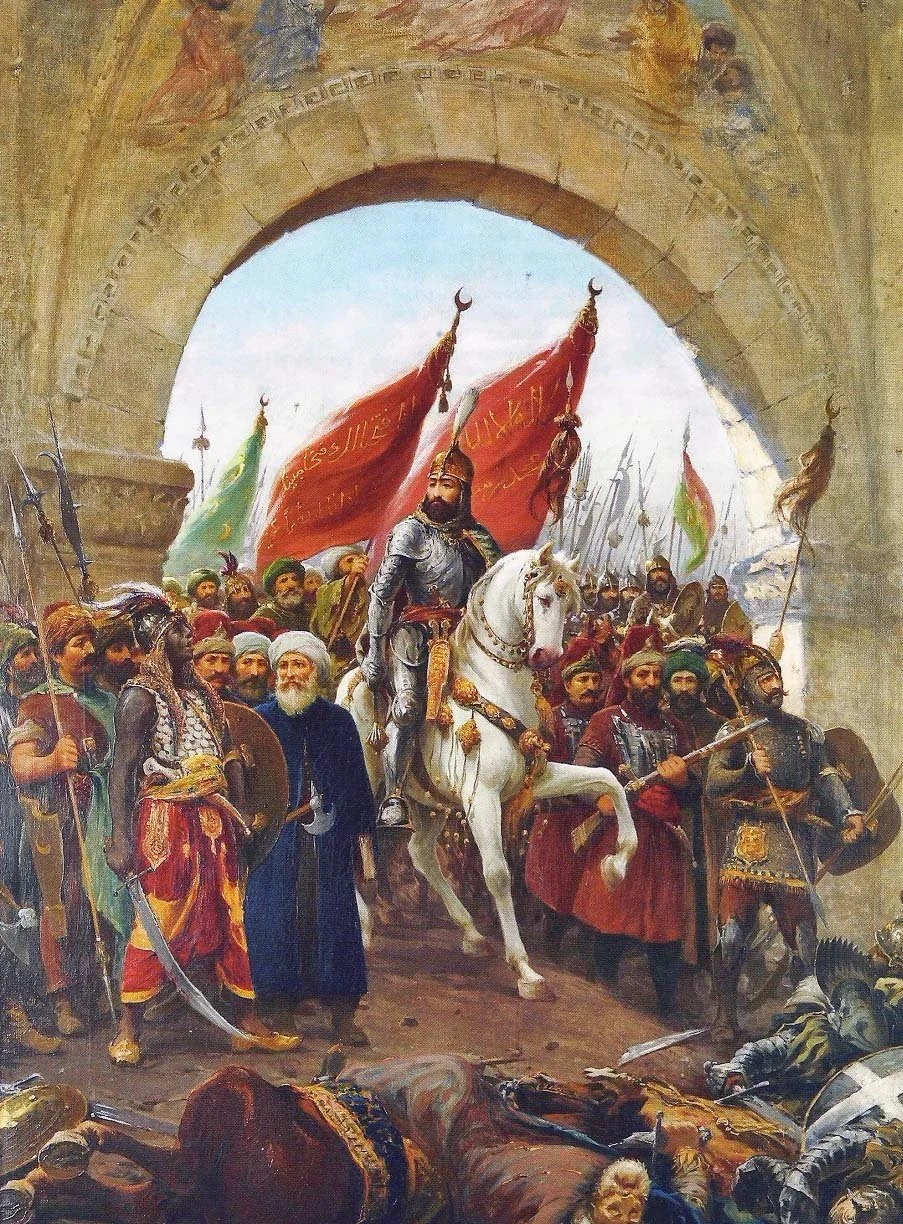
By the late 1450s, Sultan Mehmed II had already changed southeastern Europe. He conquered Constantinople in 1453 and turned it into his imperial capital. Ottoman power pressed north toward the Danube and the lands beyond it.
Wallachia had paid tribute to the sultan, but Vlad eventually resisted Ottoman demands. He refused to submit as expected, attacked Ottoman positions, and raided south of the Danube. In one 1462 letter, Vlad claimed to have killed thousands of Turks and Bulgarians during his raids. The numbers are difficult to verify, but the campaign was serious enough to bring Mehmed himself north with a large army.
Vlad could not defeat Mehmed in a conventional battle. The Ottoman army was too large and too well supplied. So Vlad used the tools available to him: ambush, night attacks, scorched earth, poisoned or ruined wells, destroyed supplies, and fear.
He made Wallachia difficult to cross. Ottoman soldiers had to move through territory where food was scarce, water was dangerous, and attacks could come suddenly. Vlad used the land itself as part of the defense.
The Night Attack at Târgoviște
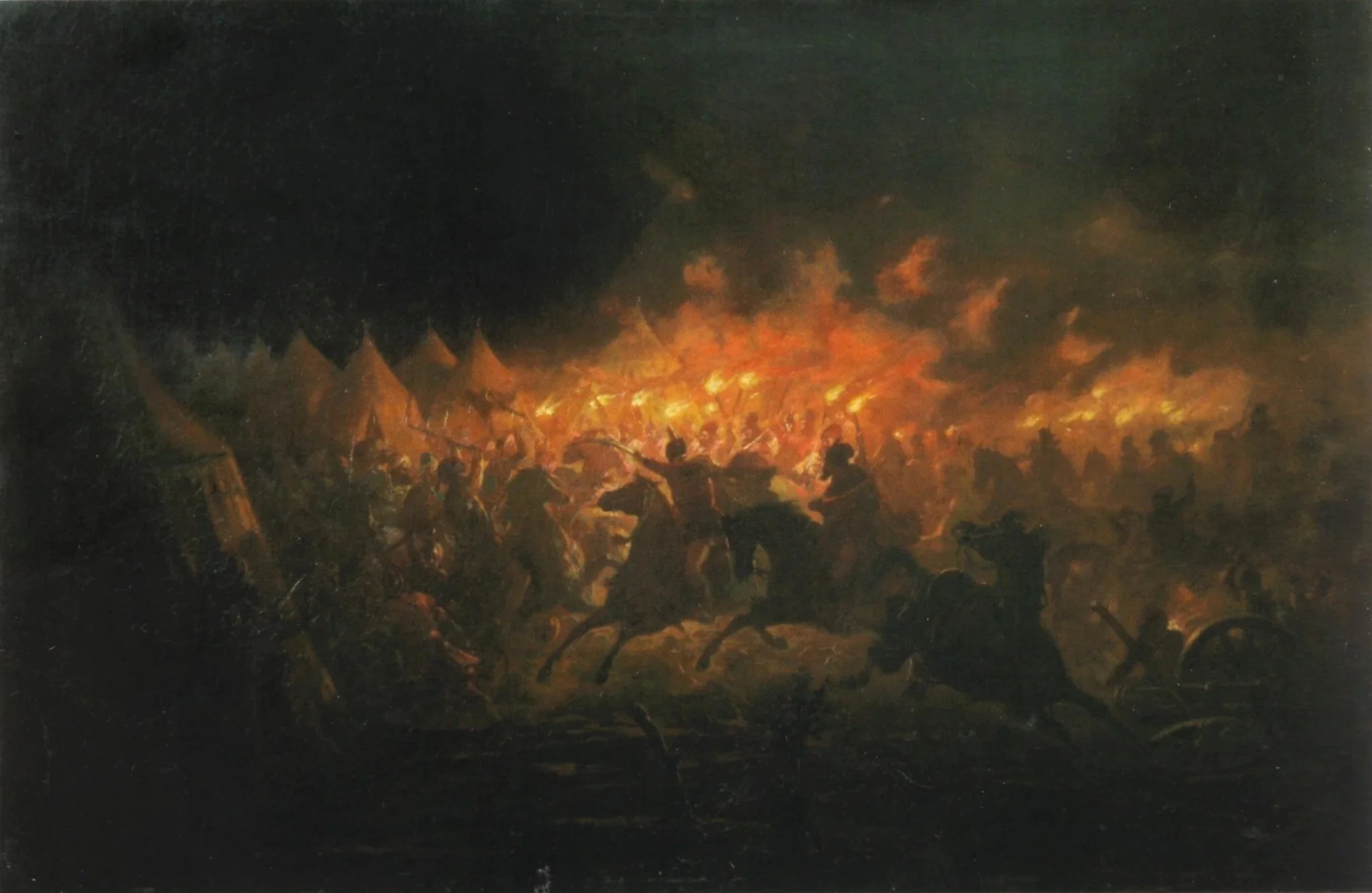
On the night of June 17, 1462, Vlad launched a surprise attack on the Ottoman camp near Târgoviște. His target was Mehmed II.
Vlad’s men entered the camp in darkness, using confusion, noise, fire, and speed. The attack caused heavy losses and panic, but they did not reach the sultan. Ottoman discipline held long enough for Mehmed to survive.
The attack did not destroy the Ottoman army, but it showed how aggressively Vlad was willing to strike. A smaller Wallachian force had attacked the camp of one of the most powerful rulers in Europe and nearly reached him.
After the Night Attack, Mehmed continued toward Târgoviște. The capital had been abandoned, and the countryside had already been stripped. Near the city, the Ottoman army encountered the field of impaled prisoners. The bodies were meant to shock the army and slow the campaign through terror.
Mehmed withdrew from the campaign, but Vlad’s position inside Wallachia weakened quickly. His younger brother Radu had Ottoman support and offered the boyars a way out of Vlad’s rule.
Vlad’s Final Reign and Death
In 1476, Vlad took the Wallachian throne for the third time with support from Hungary and Moldavia.
The return was brief. Wallachia remained unstable, and Ottoman-backed rivals still threatened him. Within months, Vlad was killed, probably in fighting near Bucharest or during conflict with forces loyal to Basarab Laiotă, a rival supported by the Ottomans.
His head was reportedly sent to Sultan Mehmed II as proof of his death.
His burial place remains disputed. Snagov Monastery has long been tied to the popular tradition of his grave, but archaeological work has not confirmed that tradition in a firm way. Comana Monastery and other locations have also been proposed.
Vlad died during another fight for the Wallachian throne, the same kind of struggle that had shaped his family long before he became known as the Impaler.
Vlad as a Hero
Vlad’s reputation depends heavily on the source.
In some Romanian traditions, he became a harsh defender of order and independence. Stories describe him punishing thieves so severely that a golden cup could be left at a public fountain without being stolen. In those stories, Vlad is brutal but effective.
In German pamphlets, he became a monster who killed for pleasure. Those accounts emphasize torture, spectacle, and cruelty. They came from communities that had political and economic reasons to hate him.
Ottoman sources remembered him as a dangerous enemy and impaler.
All three traditions came from pieces of his life. Vlad fought the Ottomans. He attacked Saxon towns. He punished boyars. He used impalement. He defended his throne. He killed civilians. He ruled through fear.
He was a Wallachian prince in a violent century, and his methods were extreme enough that enemies preserved his cruelty in print.
How Vlad Became Dracula
Bram Stoker published Dracula in 1897.
The novel was Gothic fiction, not a biography of Vlad the Impaler. Stoker’s vampire came from many sources: vampire folklore, travel writing, invasion fears, medical anxieties, earlier Gothic novels, and earlier vampire fiction such as Sheridan Le Fanu’s Carmilla.
Stoker did encounter the name Dracula while researching.
The London Library has identified books likely used by Stoker during the writing of Dracula, and Stoker’s notes show that he encountered the name through William Wilkinson’s Account of the Principalities of Wallachia and Moldavia. Wilkinson connected Dracula with a Wallachian figure and suggested the word could mean “devil” in the local language.
In early drafts, Stoker called his vampire Count Wampyr. Dracula became the final name. It sounded older, sharper, and stranger, and it came with a historical association already tied to bloodshed.
The historical Vlad did not drink blood. He was not a vampire in Romanian tradition in the way modern films suggest. His connection to Stoker’s vampire comes mainly through the name, scraps of historical association, and later popular culture.
Bran Castle, Poenari Castle, and Dracula Tourism
Many tourists know Bran Castle as “Dracula’s Castle.”
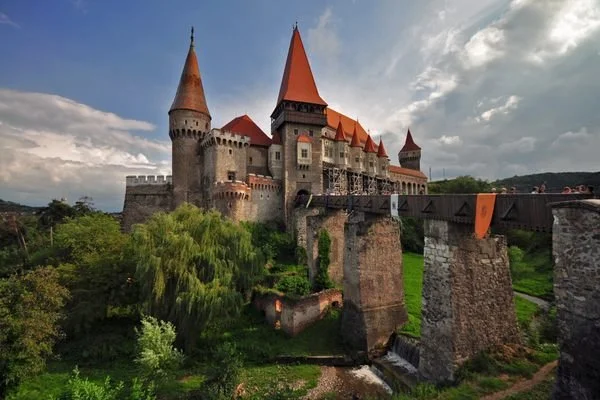
That connection comes mostly from tourism. Bran Castle looks perfect for Dracula marketing: towers, cliffs, narrow passages, and a Transylvanian setting. Vlad’s historical connection to Bran is weak. He may have passed through the region, and he had conflicts involving Transylvanian towns, but Bran was not his main residence.
Poenari Castle has a stronger connection to Vlad. It was a real fortress associated with his rule, high above the Argeș River valley. Târgoviște also has a strong historical claim because it served as Wallachia’s capital during major events of his reign.
The vampire story favors Transylvania because Stoker’s novel made it famous. The historical Vlad belongs mainly to Wallachia: Târgoviște, Poenari, the Danube frontier, and the roads between Hungarian and Ottoman power.
The Real Dracula
Vlad III of Wallachia was the son of Vlad Dracul, a former Ottoman hostage, a Wallachian voivode, and one of the most feared rulers of fifteenth-century Eastern Europe.
He lost his father and brother to the violent politics of Wallachia. He took the throne, lost it, returned, and ruled through punishment, war, and terror. He fought boyars, raided Saxon towns, defied Mehmed II, launched the Night Attack at Târgoviște, lost the throne to his brother Radu, spent years in Hungarian captivity, returned one final time, and died during another struggle for Wallachia.
Bram Stoker later used the name Dracula for a fictional vampire. Vlad’s actual life belongs to medieval Wallachia, Ottoman expansion, Hungarian politics, Saxon pamphlets, and the brutal fight for power along the Danube frontier.
Want More?
If you’re drawn to dark history, old folklore, lost places, and unsolved mysteries, my books might be just what you’re looking for.
Start with A Vow for Breaking for Appalachian folk horror, family curses, and a house full of secrets — or A Dark Most Fair for a dark fairy tale about jealousy, longing, and a dangerous bargain with the fey.
Sources
Britannica. “Vlad the Impaler.” Encyclopaedia Britannica.
Britannica. “Was Dracula a Real Person?” Encyclopaedia Britannica.
Cazacu, Matei. Dracula. Translated by Nicole Mordarski, Brill, 2017.
Florescu, Radu R., and Raymond T. McNally. Dracula, Prince of Many Faces: His Life and His Times. Little, Brown, 1989.
London Library. “The Books That Made Dracula.” The London Library, 26 Oct. 2018.
Miller, Elizabeth, and Robert Eighteen-Bisang, editors. Bram Stoker’s Notes for Dracula: A Facsimile Edition. McFarland, 2008.
Rezachevici, Constantin. “From the Order of the Dragon to Dracula.” Journal of Dracula Studies, vol. 1, 1999.
Stoker, Bram. Dracula. Archibald Constable and Company, 1897.
Treptow, Kurt W. Vlad III Dracula: The Life and Times of the Historical Dracula. Center for Romanian Studies, 2000.