The Real Story of Jaws: The 1916 Jersey Shore Shark Attacks
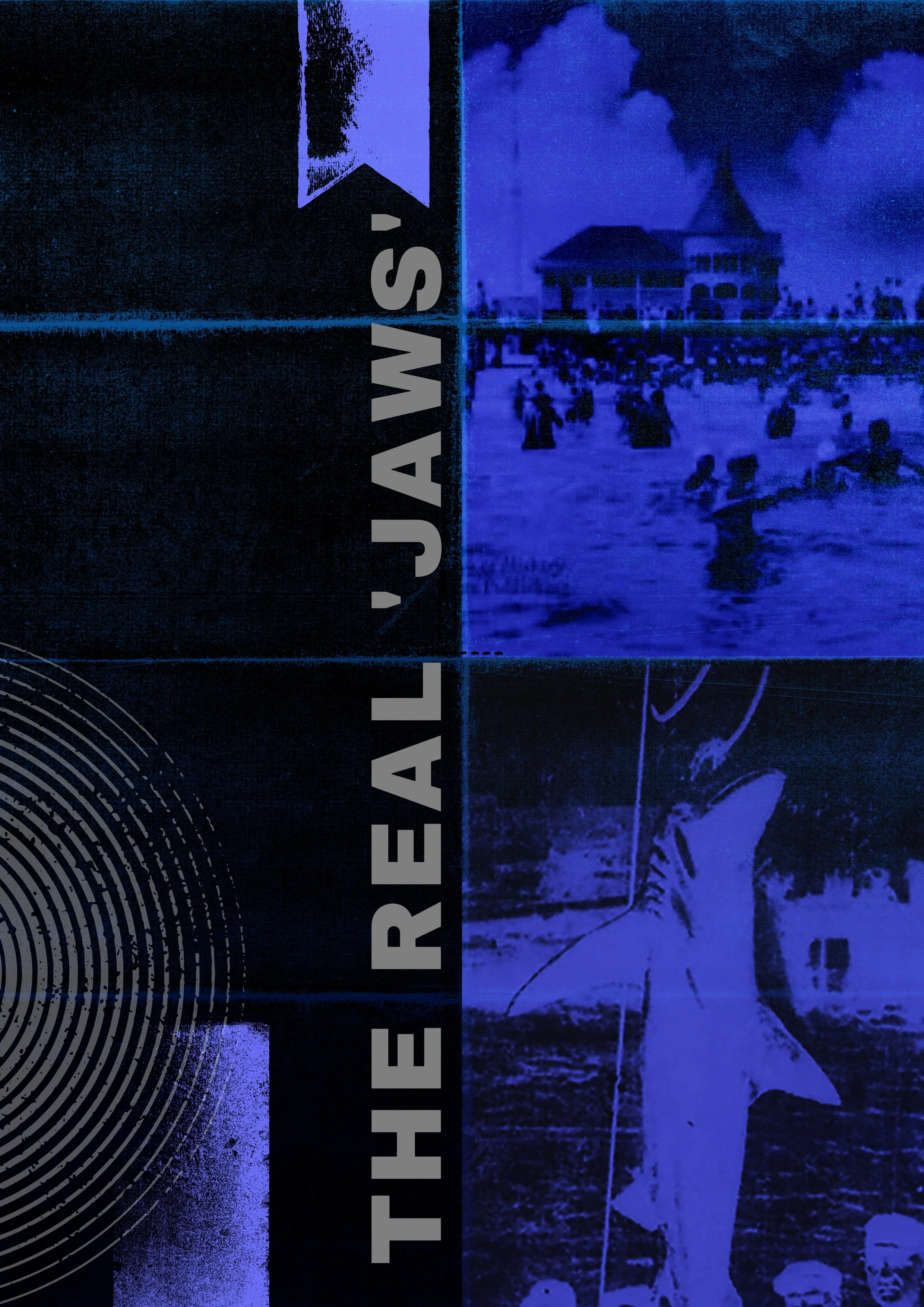
In July 1916, a young man walked into the surf at Beach Haven before dinner and never came back alive.
5 days later, another man died at Spring Lake.
6 days after that, a shark entered Matawan Creek.
The attacks lasted less than 2 weeks, but they changed the way Americans looked at the ocean. 4 people died. 1 boy survived. Newspapers gave the animal a name, resort towns panicked over the summer season, and decades later, the story became tangled with the fear behind Jaws.
A Summer Already Under Pressure
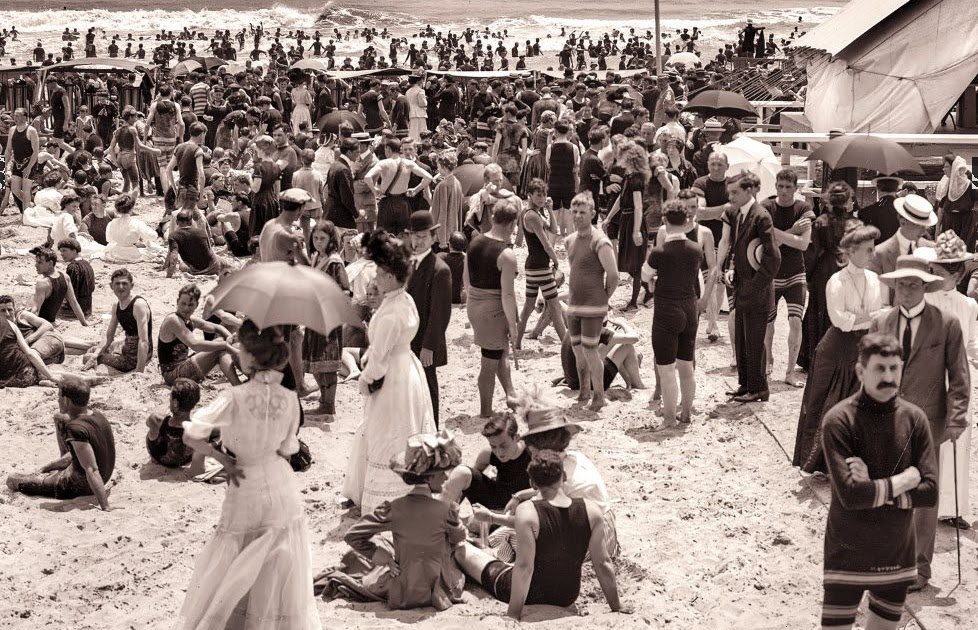
The summer of 1916 was already tense along the northeastern coast. A brutal heat wave had pushed people out of cities and toward beach towns, where sea air, hotels, boardwalks, bathing, and ocean breezes promised relief. At the same time, a polio epidemic was spreading, especially in New York. Families with money looked for cleaner air and open space away from crowded neighborhoods.
The Jersey Shore became one of those escape routes. Long Beach Island, Spring Lake, Asbury Park, and nearby resort towns drew vacationers from Philadelphia, New York, and other inland communities. Hotels depended on the summer trade. Bathing had become fashionable and healthful in the public imagination. People went into the water to cool off, socialize, and take part in the modern seaside vacation that resort owners had spent years selling.
Sharks existed in the Atlantic, and sailors and fishermen knew they could be dangerous, especially in warmer waters or around ships. American beachgoers in northern resort towns had a different understanding. Many scientists still argued that sharks rarely attacked humans, and some believed a shark near a crowded beach would avoid swimmers altogether. That assumption mattered after the first death, because many officials and observers tried to explain it away before the next attack made that impossible.
Charles Vansant at Beach Haven
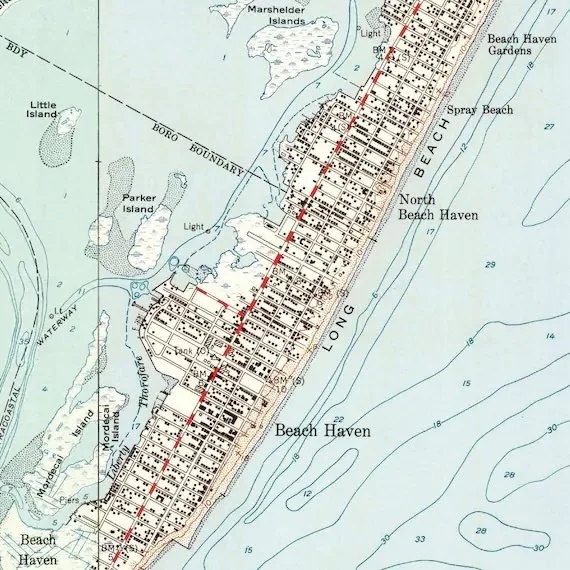
On July 1, 1916, Charles Epting Vansant entered the surf at Beach Haven, New Jersey. He was 23 years old, from Philadelphia, and staying with his family at the Engleside Hotel on Long Beach Island. He had come to the shore during a season when resort hotels were full of families trying to escape the heat inland.
Vansant went into the water before dinner with a dog nearby. People on the beach heard him call out, and at first some believed he was calling to the dog. Then his calls changed. A shark had taken hold of him in the surf, tearing into his left thigh as people onshore realized he was in serious trouble.
Men rushed into the water and pulled him toward shore. Witnesses later said the shark followed close behind as they dragged Vansant through the surf. His injuries were catastrophic. They carried him into the Engleside Hotel, where he died from blood loss.
The attack shocked Beach Haven, but disbelief came quickly. Some people suggested the shark had been chasing the dog and had bitten Vansant by mistake. Some experts doubted that a shark would deliberately attack a human swimmer. Resort interests also had reason to avoid panic. A dead swimmer at the start of July could damage an entire shore season if visitors decided the water had become unsafe.
The beaches did not empty. Bathers still entered the ocean. The death at Beach Haven remained frightening, but many people treated it as a rare accident, the kind of terrible thing that could be separated from ordinary summer life.
5 days later, the same coast produced another death.
Charles Bruder at Spring Lake
On July 6, 1916, Charles Bruder went swimming off Spring Lake, New Jersey. Bruder was 27 years old and worked as a bell captain at the Essex & Sussex Hotel. He was Swiss, athletic, and comfortable in the water. That afternoon, he swam far beyond the lifelines, about 130 yards from shore.
People on the beach saw trouble offshore. Some thought a red canoe had overturned in the water. The red was blood. A shark had attacked Bruder, tearing into his abdomen and severing his legs. Lifeguards Chris Anderson and George White rowed out in a lifeboat and pulled him from the water, but his injuries were too severe. He died before they could save him.
Bruder’s death broke through the first layer of disbelief. Charles Vansant had died at Beach Haven only 5 days earlier, and now another swimmer had been killed in another resort town with witnesses watching from shore. The attacks had moved from a single shocking event to a pattern spreading along the coast.
Newspapers carried the story across the country. Reporters wrote about a “man-eater” moving through New Jersey waters, and the language gave the public something to fear with a specific shape. Beachgoers became nervous. Officials debated beach closures, patrols, nets, and public warnings. Fishermen watched for sharks near bathing areas. Resort owners tried to calm guests while also protecting the businesses that depended on swimmers believing the water was safe.
The second death did not end the summer season, but it changed the mood. The ocean was no longer a harmless escape from heat and disease. People had begun watching the water.
Then the attacks left the open surf and entered a creek.
The Shark in Matawan Creek
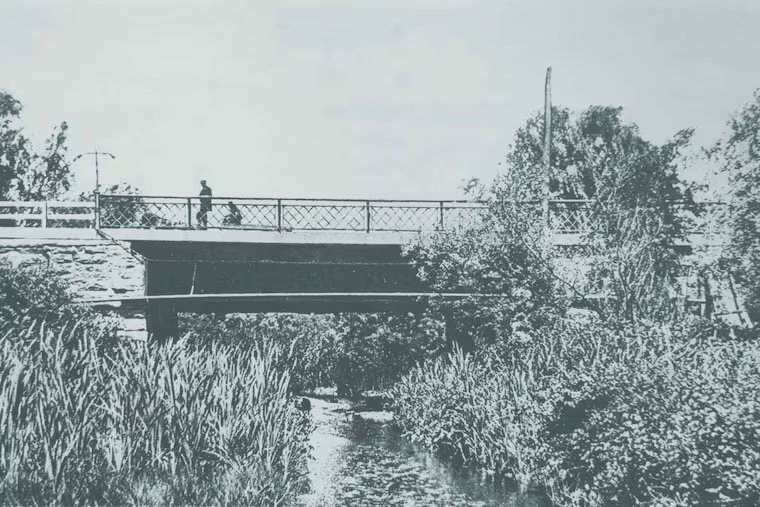
Matawan did not look like Beach Haven or Spring Lake. It was not an ocean resort town with wide surf and hotel bathers. It sat inland from the Atlantic, connected through Matawan Creek to Raritan Bay. The creek was tidal and brackish, with docks, banks, marshy edges, and local swimming holes. Children used it in summer. People worked near it. Boats moved through it. Most residents did not imagine a large shark moving through that narrow waterway.
On July 12, sea captain Thomas Cottrell reportedly saw a shark in Matawan Creek. He warned people as he moved through town, but many dismissed the warning. Even after Beach Haven and Spring Lake, a shark in the creek sounded unlikely enough for people to doubt him.
That afternoon, boys were swimming near Wyckoff Dock. One of them was 11-year-old Lester Stillwell. The boys noticed something in the water. At first, it looked like a dark board or a log. Then a fin appeared, and the shark attacked Lester.
The other boys ran for help. Adults rushed to the creek, but some believed Lester may have had a seizure or drowned. Several men entered the water to search for him, including 24-year-old Watson Stanley Fisher, a local businessman.
Fisher found Lester’s body.
Then the shark returned and attacked Fisher in front of people gathered along the creek. His right thigh was badly injured, and he was taken for medical care. He died later that day at Monmouth Memorial Hospital in Long Branch.
Matawan had lost a child and the man who tried to recover him. The shark remained in the creek, and the town’s fear turned frantic because the danger had crossed into a place people had trusted. A shark in the ocean was terrifying. A shark in a tidal creek where children swam felt impossible until Matawan saw it happen.
Joseph Dunn Survives
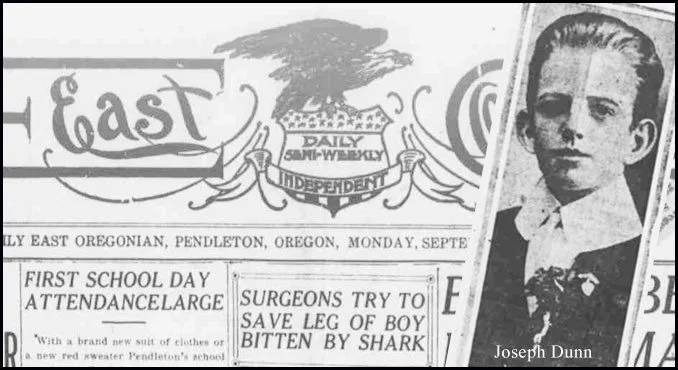
About thirty minutes after the attacks on Lester Stillwell and Stanley Fisher, the shark struck again. Joseph Dunn, a teenage boy from New York, was swimming in Matawan Creek with other boys about half a mile from Wyckoff Dock. The shark bit his left leg.
Dunn’s brother and another boy grabbed him and pulled back. The struggle became a violent tug-of-war between the boys and the shark. They managed to free him and get him out of the water, though his leg was badly torn. Dunn was taken to Saint Peter’s Hospital in New Brunswick, where he survived after weeks of treatment.
Joseph Dunn became the only survivor among the 5 known victims of the July 1916 series. By the end of July 12, the attacks had become almost unbelievable even to people living through them. Charles Vansant had died at Beach Haven. Charles Bruder had died at Spring Lake. Lester Stillwell had been killed in Matawan Creek. Stanley Fisher had been attacked while trying to recover Lester’s body. Joseph Dunn had been mauled in the same creek and lived.
The geography made the panic worse. The attacks had started in the open ocean, moved along the coast, and then reached inland through a waterway small enough for local children to treat as ordinary summer ground. After Matawan, people were no longer afraid only of the surf. They were afraid of any water connected to the sea.
The Panic After Matawan
Matawan reacted with the tools people had at hand. Residents stretched nets across the creek. Men took boats, hooks, rifles, and dynamite to the water. Crowds gathered along the banks watching for fins or dark movement. Mayor Arris B. Henderson offered a reward for killing the shark in Matawan Creek, and the town searched the water with a mixture of grief, anger, and disbelief.
The panic spread beyond Matawan. Beaches along the shore changed their rules. Some communities closed bathing areas or limited swimming. Armed boats patrolled near beaches. Nets and steel mesh barriers appeared in some places. Newspapers reported sightings up and down the coast, and every dorsal fin became part of the same public fear.
The summer economy suffered. Hotels, bathing beaches, restaurants, and shore businesses depended on visitors entering the water and trusting the resorts. After the Matawan attacks, that trust weakened fast. Some families left the shore. Others stayed but avoided swimming. Local officials had to balance public safety against the fear that panic could ruin the season entirely.
The attacks even reached Washington. President Woodrow Wilson, who had served as governor of New Jersey before becoming president, discussed the shark panic with federal officials. The crisis had become more than a local tragedy. It involved public safety, science, tourism, politics, and a new national fear moving through newspaper headlines.
Scientific opinion remained unsettled. Some experts still questioned whether one shark could be responsible for all the attacks. Others believed a single rogue shark had traveled along the coast and into Matawan Creek. Fishermen began killing sharks and bringing them in as possible candidates. The public wanted the animal found.
2 days after the Matawan attacks, a shark was caught in Raritan Bay.
The “Jersey Man-Eater”
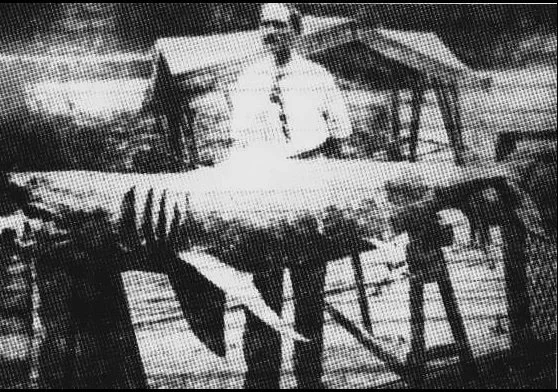
On July 14, 1916, Michael Schleisser, a Harlem taxidermist and former lion tamer, caught a shark in Raritan Bay, only a few miles from the mouth of Matawan Creek. The shark measured about 7 1/2 feet long and weighed more than 300 pounds. It fought hard enough to threaten the boat before Schleisser killed it with a broken oar.
When the shark was opened, people reported finding material identified as human remains inside its stomach. Scientists identified the animal as a young great white shark. The attacks stopped after Schleisser’s catch, which made the conclusion feel convincing to many people at the time. The “Jersey man-eater” had been caught, and the shore could begin to breathe again.
The certainty did not survive untouched. The species question remains debated because Matawan Creek complicates the story. A great white fits the ocean attacks and the Raritan Bay capture. A bull shark fits the creek attacks because bull sharks can travel into brackish and fresh water. Some researchers argue that a young great white could have entered Matawan Creek because the creek was tidal and connected to marine water. Others believe more than one shark may have been involved.
The physical evidence cannot settle it now. The mounted shark was later lost. The remains found inside it cannot be reexamined. The attacks happened before modern forensic bite analysis, modern shark tracking, modern DNA testing, and modern shark behavior research. Schleisser’s shark remains central to the history because it was caught near the attack area, reportedly contained human remains, and the attacks ended afterward. The exact animal behind every attack remains uncertain.
The fear it created became permanent.
How America Learned to Fear Sharks
Before 1916, American swimmers did not carry the same cultural fear of sharks that later generations inherited. Sailors, fishermen, and people in warmer waters had older shark fears, but northern beachgoers often treated the ocean as a place of health and leisure. Many scientists also downplayed the danger of sharks to humans.
The 1916 attacks changed that because they happened in the right place, at the worst time, with the full power of modern newspapers behind them. The victims were not anonymous sailors in distant waters. They were a vacationing young man, a hotel worker, a child in a creek, a local rescuer, and a teenage survivor. The attacks happened near major media centers, close enough for New York and Philadelphia papers to report every development with urgency.
The story also had movement. It began at Beach Haven, continued at Spring Lake, and then entered Matawan Creek. That progression made the shark feel as if it had a route. Newspapers treated the animal almost like a criminal moving from town to town, and the phrase “man-eater” turned a wild predator into a public enemy.
Officials faced a problem that later shark stories would repeat again and again: the shore needed tourists, but tourists needed safety. Resort owners did not want panic. Families did not want to put children in the water. Scientists did not agree on what kind of shark was responsible. Fishermen wanted to catch it. Newspapers wanted every detail.
The attacks gave Americans a new kind of summer fear. The ocean had always carried danger, but 1916 gave that danger a face, a fin, and a coastline.
The Connection to Jaws
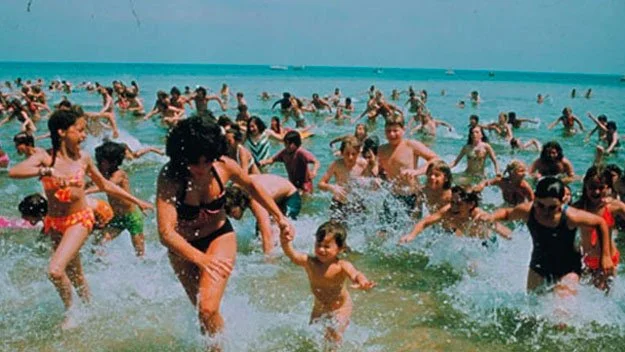
The 1916 Jersey Shore shark attacks are often described as “the real story behind Jaws.” But Peter Benchley’s 1974 novel is fiction, and he later denied that the 1916 attacks directly inspired the book. Steven Spielberg’s 1975 film moved the fear into Amity Island, a fictional summer town filmed on Martha’s Vineyard, after reading about the 1916 events.
Still, the parallels are hard to miss. A summer beach community depends on visitors. A shark begins killing people in the water. Officials worry about panic and the local economy. Newspapers spread fear. People hunt the animal. The public turns one shark into a monster.
Those pieces were already present in 1916.
The attacks also influenced American shark fear long before Jaws appeared. They turned sharks into front-page predators for a national audience and made the northern beach feel vulnerable. Benchley later became a shark conservation advocate and regretted the damage the monster image did to sharks. Sharks are wild predators, and unprovoked attacks remain rare compared with the number of people who enter the water every year.
Rarity did not help the people in the water in July 1916.
What Happened in 1916?
The 1916 Jersey Shore shark attacks began at Beach Haven, moved to Spring Lake, and ended in Matawan Creek. Four people died. One survived. The panic spread through newspapers, resort towns, scientific circles, and government offices. A great white shark caught in Raritan Bay became the official answer for many people, but bull shark theories and multiple-shark theories remain part of the discussion because of the creek attacks and the limits of the surviving evidence.
The first death was met with disbelief. The second made people look harder at the ocean. The creek attacks made the danger feel as if it had crossed into a place people had never thought to fear. By the time the summer ended, American swimmers had learned a new caution, and resort towns had learned how fast the water could empty when fear reached the beach.
Decades later, Jaws gave that fear a fictional island, a police chief, a mayor, a boat, and a great white shark moving through a summer town. The real summer began in 1916, when Charles Vansant walked into the surf before dinner and never came back alive.
Four people died.
One boy survived.
The shore never looked the same.
Want More?
If you’re drawn to dark history, old folklore, lost places, and unsolved mysteries, my books might be just what you’re looking for.
Start with A Vow for Breaking for Appalachian folk horror, family curses, and a house full of secrets — or A Dark Most Fair for a dark fairy tale about jealousy, longing, and a dangerous bargain with the fey.
Recommended Nonfiction Reading
Michael Capuzzo, Close to Shore: The Terrifying Shark Attacks of 1916
Richard G. Fernicola, Twelve Days of Terror: A Definitive Investigation of the 1916 New Jersey Shark Attacks
Thomas B. Allen, Shadows in the Sea: The Sharks, Skates, and Rays
Peter Benchley, Shark Trouble: True Stories About Sharks and the Sea
Sources
Allen, Thomas B. Shadows in the Sea: The Sharks, Skates, and Rays. Lyons Press, 1996.
Capuzzo, Michael. Close to Shore: The Terrifying Shark Attacks of 1916. Broadway Books, 2001.
Fernicola, Richard G. Twelve Days of Terror: A Definitive Investigation of the 1916 New Jersey Shark Attacks. Lyons Press, 2001.
Matawan Historical Society. “1916 Shark Attack.” Matawan Historical Society.
McCall, Vivian. “2 Weeks, 4 Deaths, and the Start of America’s Fear of Sharks.” National Geographic, 12 June 2019.
Neff, Christopher. “The Shark Attacks That Were the Inspiration for Jaws.” Smithsonian Magazine, 6 Aug. 2012.
Radel, Dan. “1916 Shark Attacks: The Day the Terror Began.” Asbury Park Press.
TIME Staff. “These Five Attacks Started America’s National Fear of Sharks.” TIME, 1 July 2016.
“Jersey Shore Shark Attacks of 1916.” International Shark Attack File / historical summaries and victim data.